EmailMarketingZone.es · April 2026 · 9 min read
Every few years, someone declares email marketing dead. They point at shiny new platforms — social media, instant messaging, TikTok, AI chatbots — and insist that the humble inbox is a relic, a dinosaur, a channel living on borrowed time. And every single time, email marketing does the same thing: it quietly outlasts them all.
In 2026, email is not just surviving. It is thriving in ways that should genuinely excite anyone who has ever sent a campaign, built a list, or stared at an open rate wondering what it all means. There are now 4.8 billion email users on this planet. Every single day, roughly 392 billion emails are sent. The return on investment — $36 for every $1 spent — remains unmatched by virtually any other marketing channel in existence.
But something remarkable is happening right now that goes far beyond the numbers. The nature of email itself is changing. The inbox is getting smarter. The subscriber is getting more demanding. And the brands that understand what is coming — the ones paying fierce, hungry attention to where email is heading — are pulling ahead in ways that their competitors will struggle to close.
This is the future of email marketing in 2026. These are the trends that matter. And this is why you cannot afford to look away.
4.8B
email users worldwide in 2026 — and still growing
$36
returned for every $1 spent on email marketing
97%
of marketers projected to use AI in email by 2030

1. The Inbox Has Become Intelligent — And It Is Judging You
For years, getting an email delivered felt like a technical problem: authenticate your domain, avoid spam words, keep your bounce rate low. Those things still matter. But in 2026, the inbox has evolved into something far more sophisticated and, frankly, far more unforgiving.
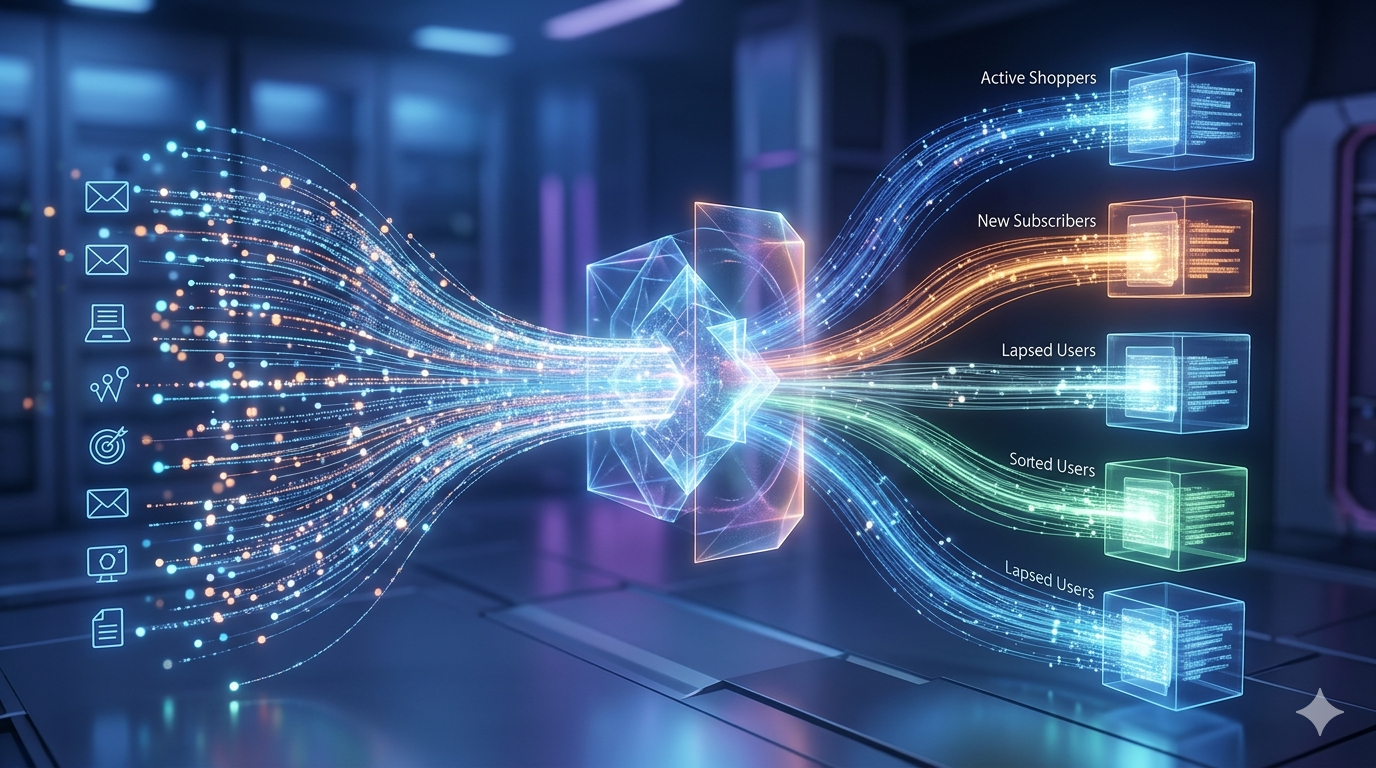
Gmail, Yahoo, and Microsoft are no longer just filtering for obvious spam. Their systems are analyzing engagement signals with ruthless precision — how often your subscribers open, how quickly they delete, whether they read or merely skim, how long they spend inside the email before moving on. The inbox is watching. And it is making judgments about your brand’s relevance with every single send.
The terrifying part? An email that lands in the inbox for one sender might go straight to promotions — or disappear entirely — for another. The difference is not just authentication. It is the accumulated trust you have built with your audience over time. Irrelevant emails do not just get ignored. They actively damage your ability to reach the people who would genuinely love to hear from you.
«The line between ‘sent’ and ‘seen’ is getting sharper every month. Intelligent inboxes are separating the marketers who truly understand their audience from those who are still guessing.»
The good news — and there is powerful, genuinely exciting good news here — is that the same intelligence that punishes irrelevance rewards genuine connection. Brands with engaged, loyal subscribers are seeing their deliverability improve automatically. The inbox is not your enemy. It is your ally, if you do the work to deserve it.
2. Hyper-Personalization Is No Longer Optional — It Is the Minimum
There was a time when putting someone’s first name in a subject line felt clever and modern. That time is gone. Completely, irreversibly gone. In 2026, subscribers have been conditioned by years of increasingly personalized digital experiences — Netflix recommendations, Spotify playlists, Amazon product pages that seem to know what they want before they do — and they bring those expectations to their inbox.
An email that treats 10,000 different human beings as interchangeable recipients does not just underperform. It insults them. It signals, loudly and unmistakably, that the brand sending it does not truly know them, does not care about their specific situation, and is simply pushing content into the void and hoping something sticks.
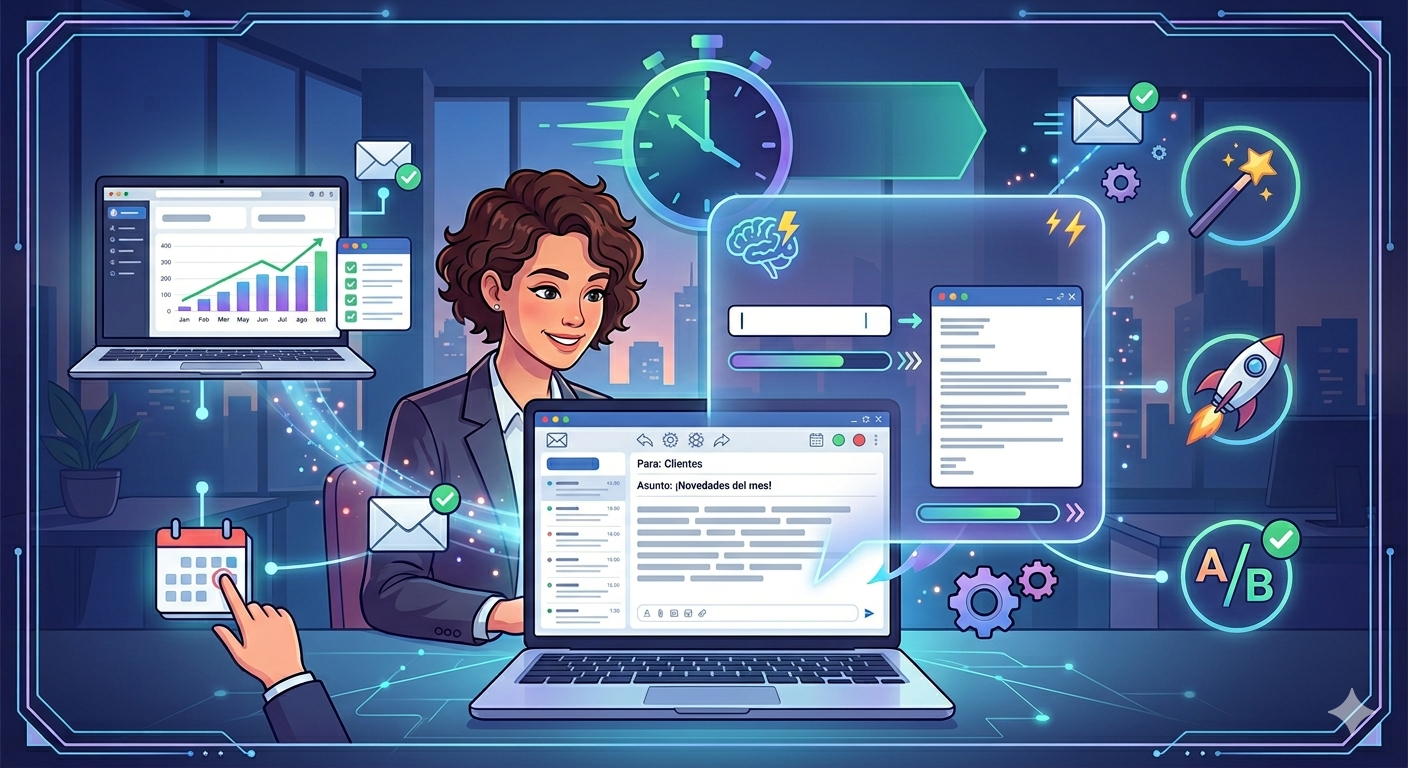
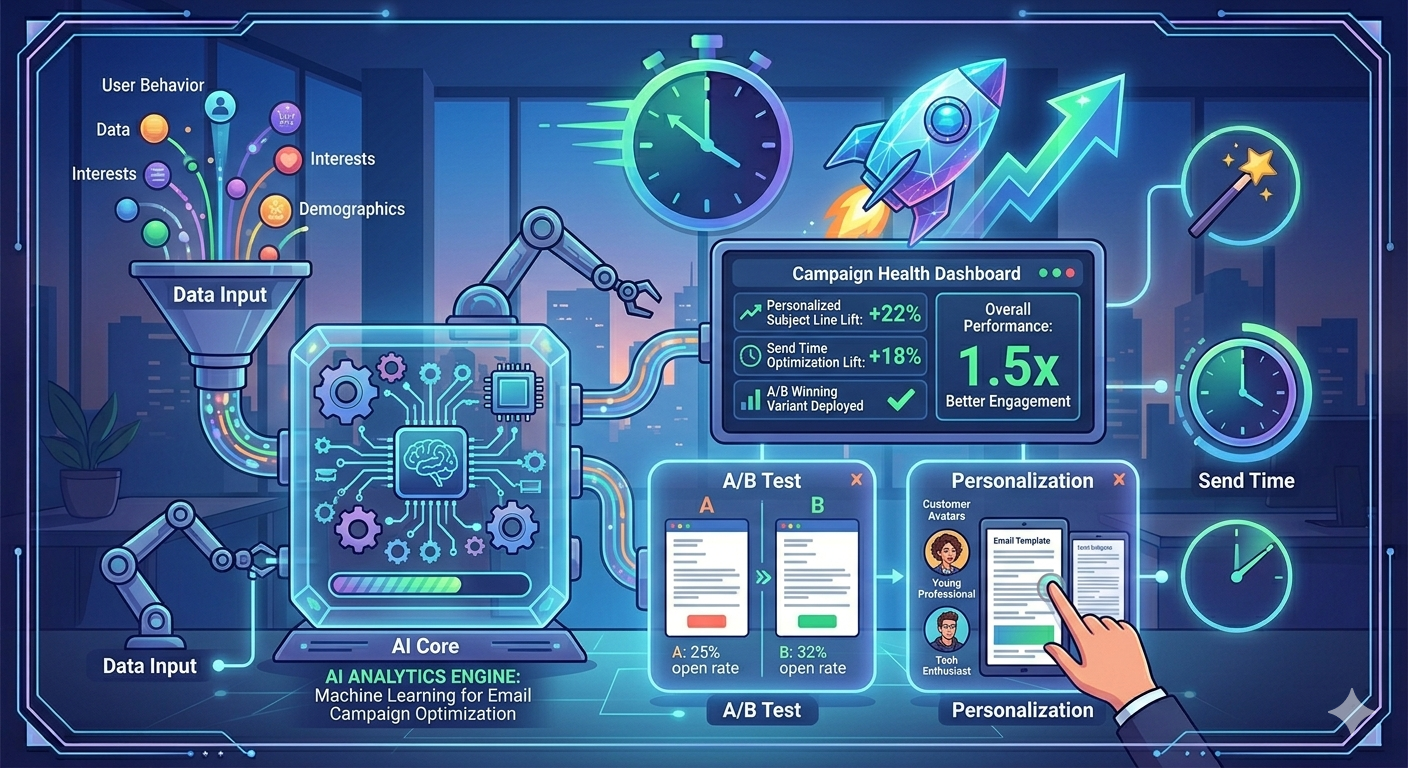
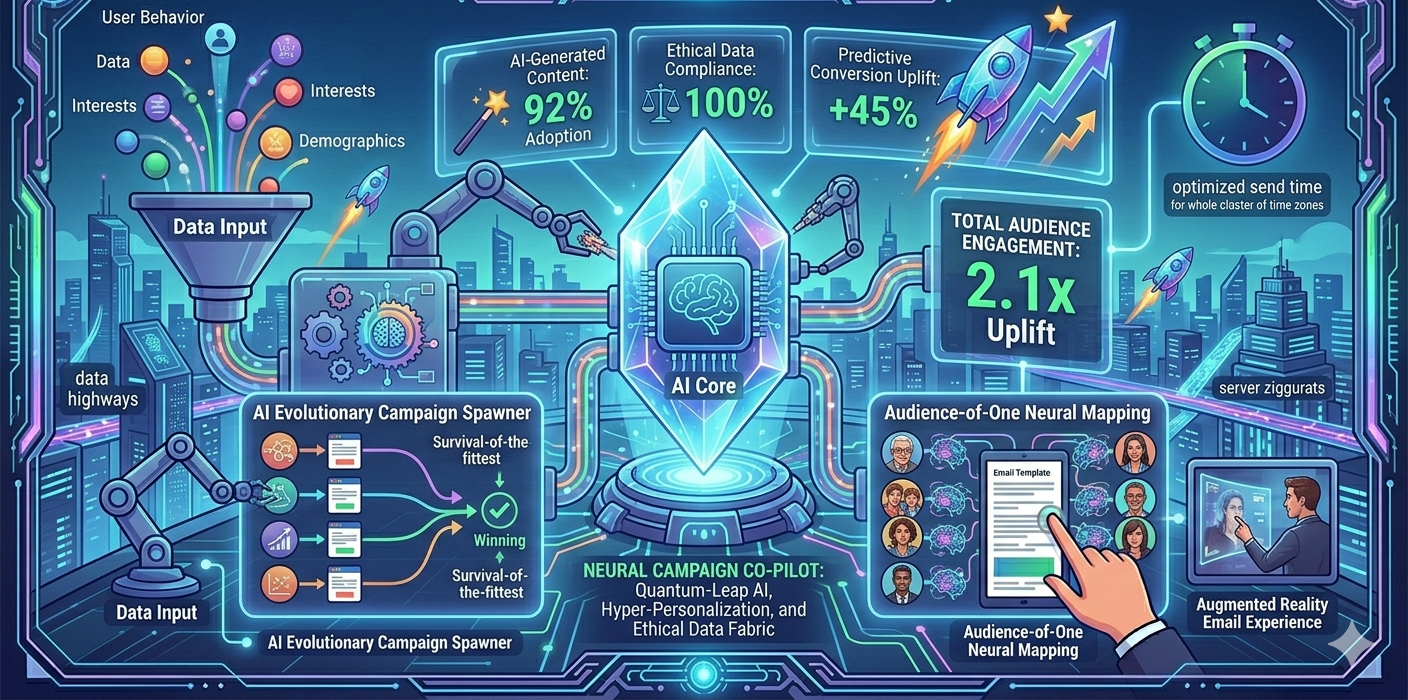
The future belongs to hyper-personalization — emails that dynamically adapt their subject lines, body content, product recommendations, imagery, and even layout based on the real behavior of each individual subscriber. AI makes this possible at a scale that would have been unimaginable just three years ago. And the results are not incremental improvements. They are category-defining leaps.
Automated email flows — which make up just 2% of total email send volume — now generate 41% of total email revenue. That is not a statistic. That is a revolution hiding in plain sight.
3. Interactive Emails Are Turning the Inbox Into a Destination
Something quietly extraordinary is happening to the design and functionality of email itself. For decades, emails were essentially one-way streets — you sent a message, the subscriber read it (or did not), and if they wanted to do anything about it, they clicked a link and left the inbox behind. That friction was just accepted as the cost of doing business.
In 2026, that model is being torn apart and rebuilt from scratch. Interactive emails — with embedded polls, clickable product carousels, in-email shopping carts, gamified elements, and live countdown timers — are turning the inbox from a passive reading experience into an active, engaging destination. Subscribers no longer need to leave the email to take action. The action happens right there, inside the message, in seconds.
The emotional impact of this shift is immense. A subscriber who completes a quiz inside your email, or selects a product size before clicking through, or votes in a poll that shapes next week’s content — that subscriber is not just a recipient anymore. They are a participant. They feel ownership over the interaction. And that feeling of participation builds a depth of connection that no passive newsletter ever could.
4. Zero-Party Data Is Becoming the Most Precious Resource in Email Marketing
Privacy regulations are tightening. Third-party cookies are collapsing. The old model of silently tracking subscriber behavior across the web and feeding it back into your targeting is becoming legally complicated, technically fragile, and — perhaps most importantly — deeply unpopular with the very people you are trying to reach.
The response is not to panic. It is to ask.
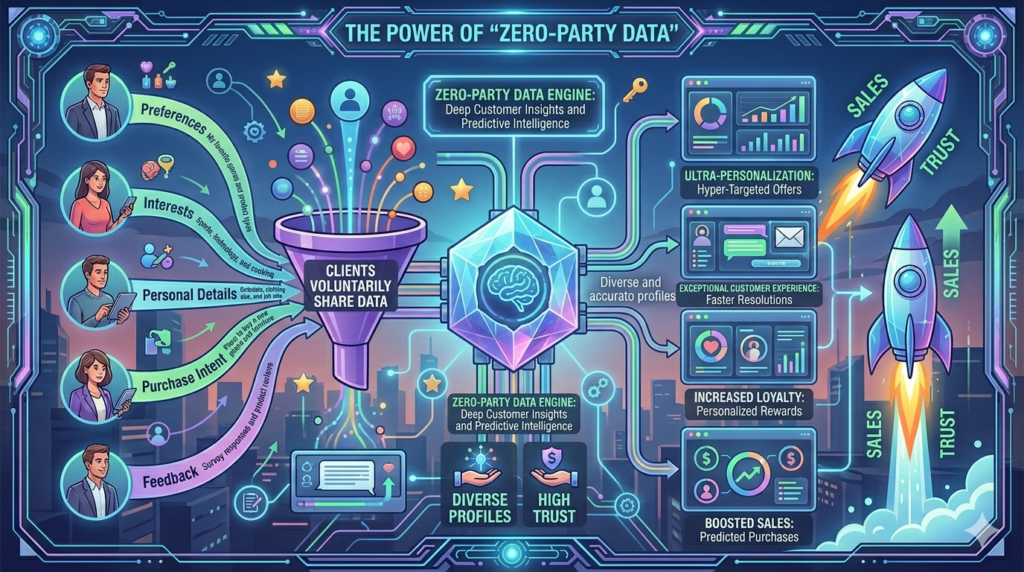
Zero-party data is information that subscribers willingly, intentionally, and enthusiastically share with you directly. Preferences. Interests. Motivations. Timing. Purchase intent. When a subscriber tells you they prefer hearing from you on Fridays, that they are interested in budget options rather than premium ones, or that they are shopping for a gift rather than for themselves — that data is pure gold. It is more accurate than anything you could infer from tracking. It is completely privacy-compliant. And it makes the subscriber feel respected rather than surveilled.
«The brands winning in 2026 are not the ones with the most data. They are the ones with the most trusted relationships — and the wisdom to ask rather than assume.»
Interactive emails are one of the most powerful ways to collect this data. A simple poll, a quick preference survey, a product finder quiz — these feel like genuine engagement to the subscriber while providing you with insights that transform the relevance of every future campaign you send them.
5. Email Is Becoming the Heart of Omnichannel Marketing
For too long, email sat in a silo. The social media team did their thing. The SMS team did theirs. The email team sent newsletters and hoped for the best. The result was a fragmented, often contradictory customer experience where the same person might receive a promotional offer by email at the exact moment they saw a conflicting ad on Instagram.
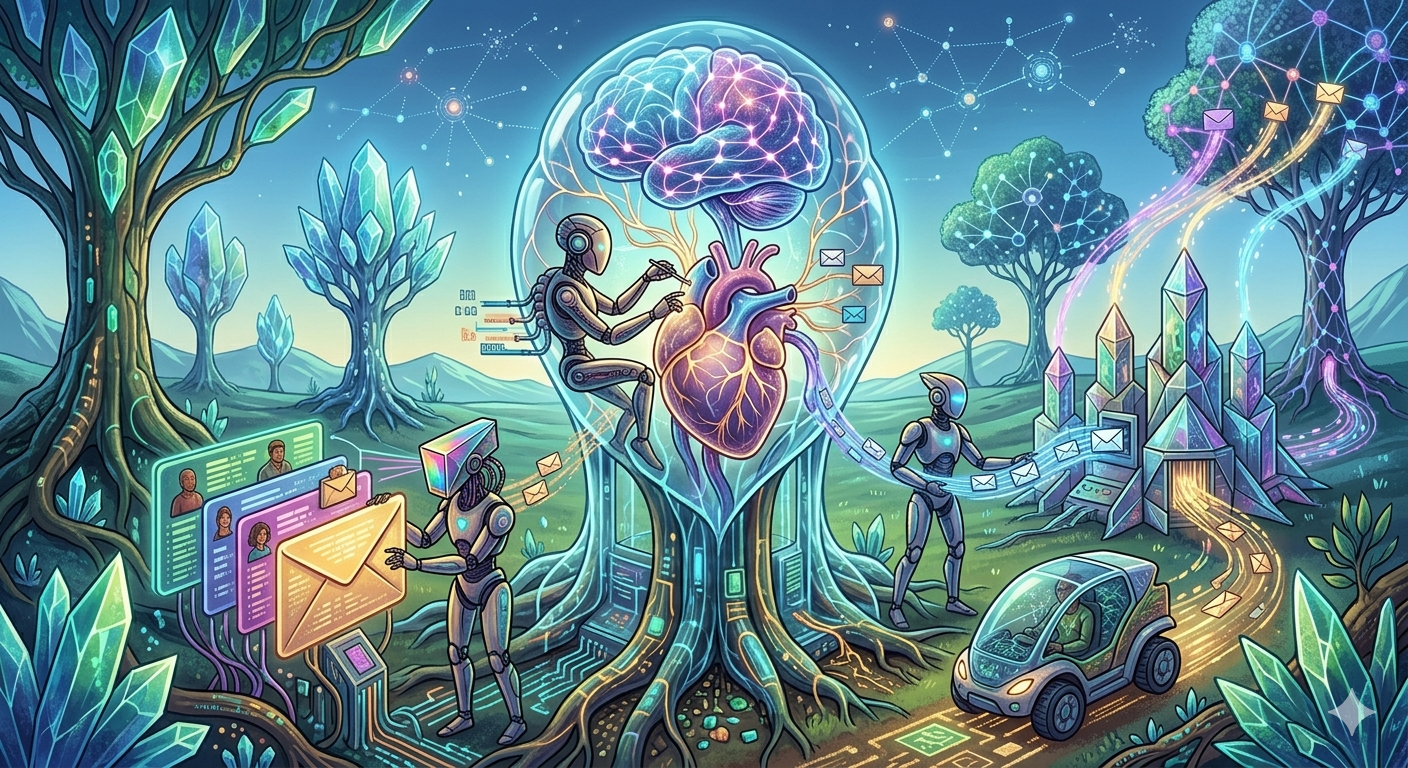
In 2026, the walls between channels are finally coming down — and email is emerging as the connective tissue that holds the entire customer journey together. A click inside an email updates a CRM record. That record triggers a personalized SMS reminder. The SMS engagement informs the targeting of a retargeting ad. The ad brings the subscriber back to a landing page that references what they clicked in the original email.
Every touchpoint knows what happened at every other touchpoint. The customer experiences not five separate marketing channels but one coherent, intelligent brand relationship that follows them thoughtfully and helpfully across their day. That kind of seamless continuity does not just improve conversion rates. It builds the kind of deep, emotional loyalty that turns customers into genuine advocates.
6. The Human Voice Has Never Mattered More
Here is the most counterintuitive truth about the future of email marketing in a world dominated by AI: the human element has never been more essential, more valuable, or more fiercely sought after by subscribers.
AI can generate subject lines. It can optimize send times. It can personalize content at scale. It can predict behavior and automate entire customer journeys. What it cannot do — what it will never do — is feel. It cannot carry the warmth of a genuine voice. It cannot capture the imperfect, honest, sometimes vulnerable humanity that makes a brand feel real and worth caring about.
Subscribers are growing more sensitive to this distinction every single month. They can sense when an email was entirely machine-generated. They can feel the absence of a real person behind the words. And that absence creates a cold, clinical distance that no amount of personalization tokens can bridge.
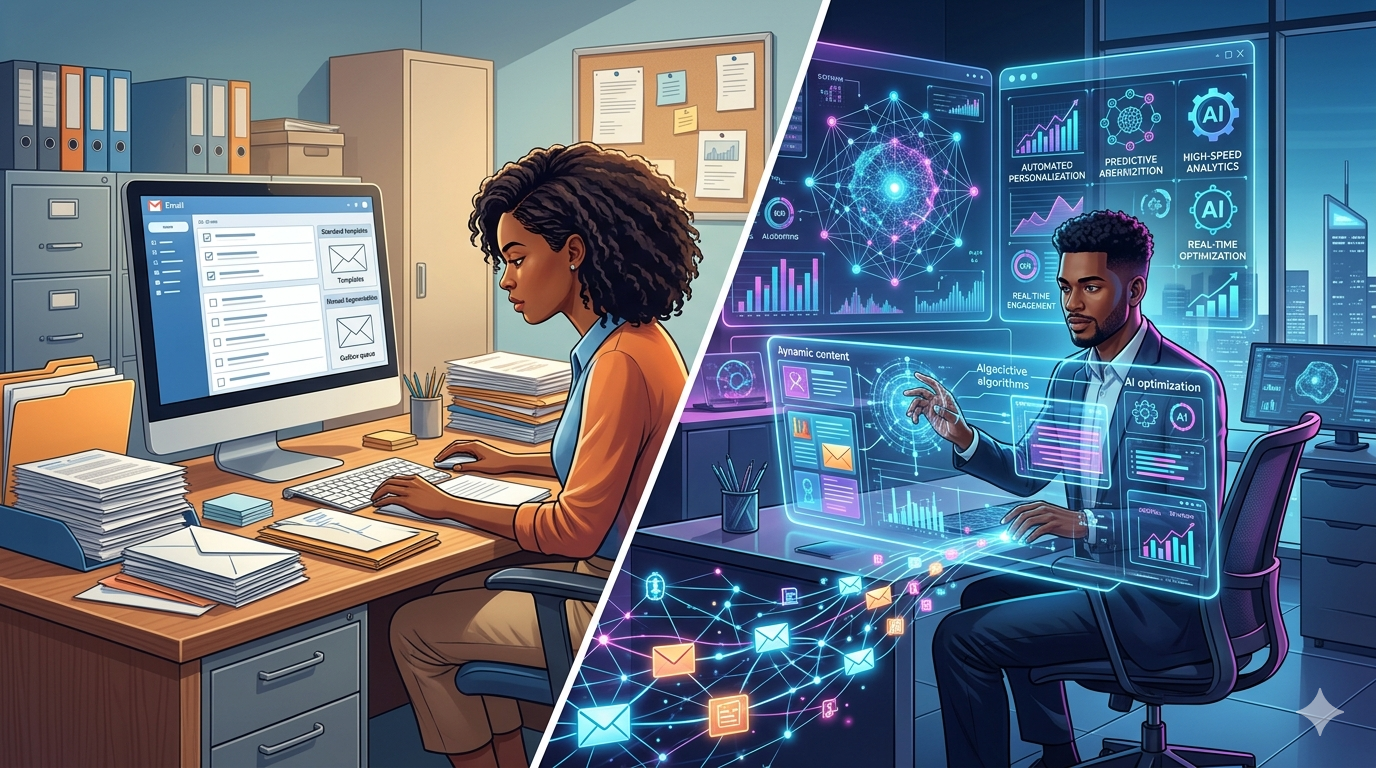
The future belongs to the brands that use AI as a powerful amplifier of their human voice — not as a replacement for it. The strategy built by a thoughtful, empathetic human. The creative instinct that knows when to break the rules. The brand voice that feels unmistakably alive. AI handles the scale and the precision. The human provides the soul. Together, they are unstoppable.
The hard truth for 2026: Brands that automate everything and humanize nothing will find their engagement collapsing — not gradually, but suddenly, the moment subscribers realize there is nobody home behind the campaigns.
The Future Is Already Here — Are You Ready for It?
The future of email marketing in 2026 is not some distant, theoretical concept. It is happening right now, in the inboxes of your subscribers, in the algorithms of the platforms delivering your campaigns, in the rising expectations of the human beings on your list who want to feel known, valued, and genuinely understood.
The trends are clear. The direction is unmistakable. Intelligent inboxes. Hyper-personalization. Interactive experiences. Zero-party data. Omnichannel integration. Human authenticity amplified by AI. These are not optional extras for advanced marketers. They are the new baseline for anyone who wants to compete.
The question is not whether email marketing has a future. It has an extraordinary one. The question is whether you will be part of it — or whether you will watch from the sidelines as the brands that adapted early build the kind of subscriber relationships that make everything else in marketing feel slow, expensive, and exhausting by comparison.
The inbox is evolving. Your audience is ready. The only thing left is your move.