EmailMarketingZone.es · April 2026 · 6 min read
Acquiring a new customer costs five times more than retaining an existing one. That single statistic should make customer retention the most urgent priority in almost every marketing budget — and yet most businesses spend the overwhelming majority of their email marketing effort and investment on acquisition. The customers they have already won, who already trust them, who have already given them money, receive generic newsletters and the occasional promotional email mixed in with everyone else on the list.
Automated retention emails change this imbalance permanently — and they run without ongoing manual effort once they are built.
What Customer Retention Automation Actually Means
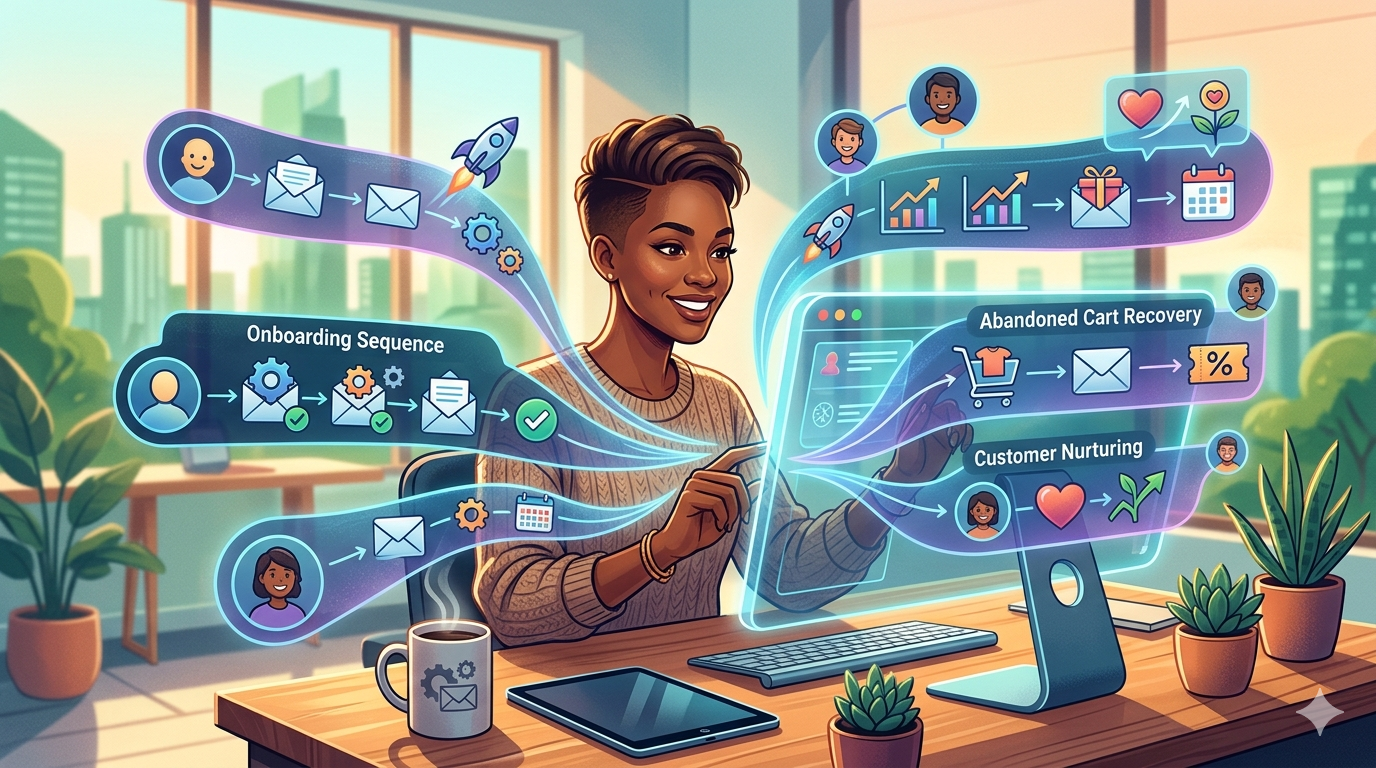
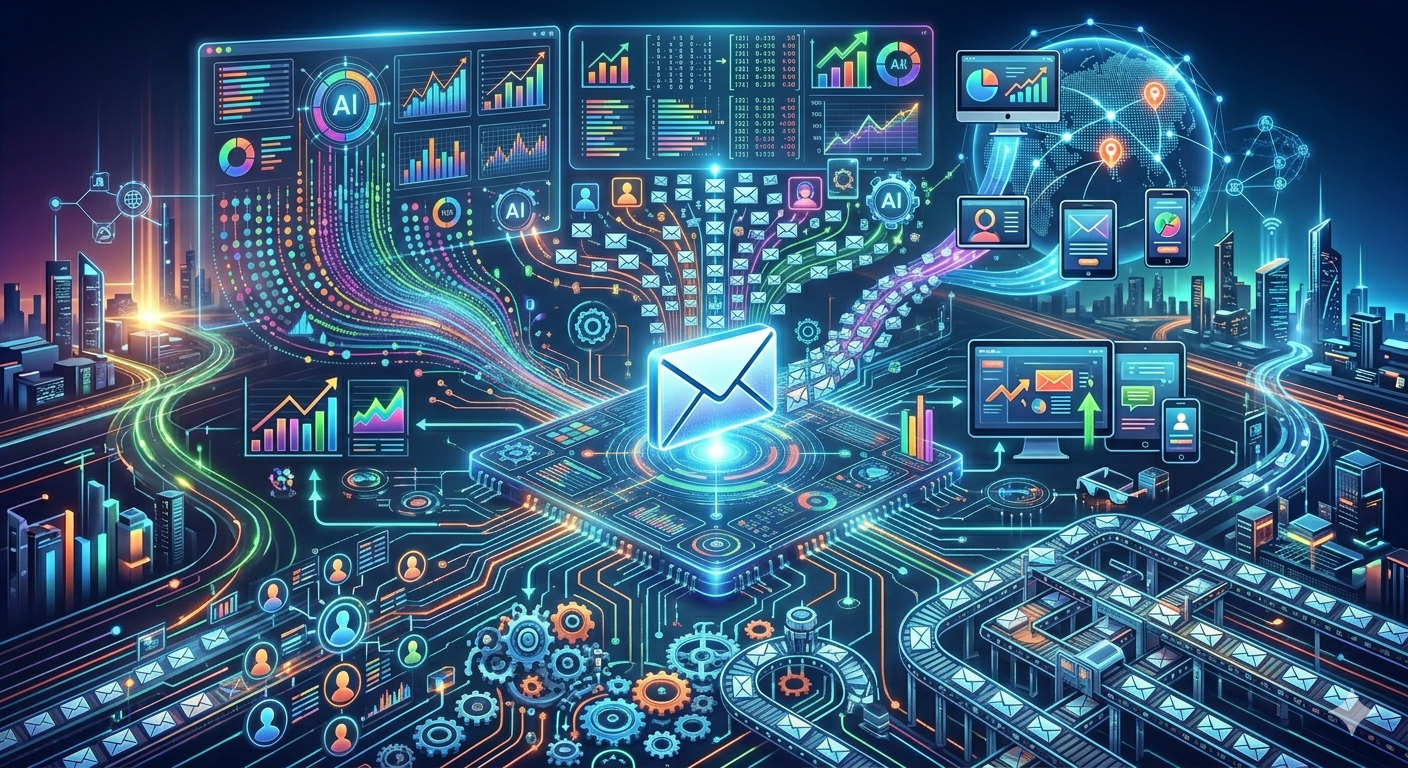
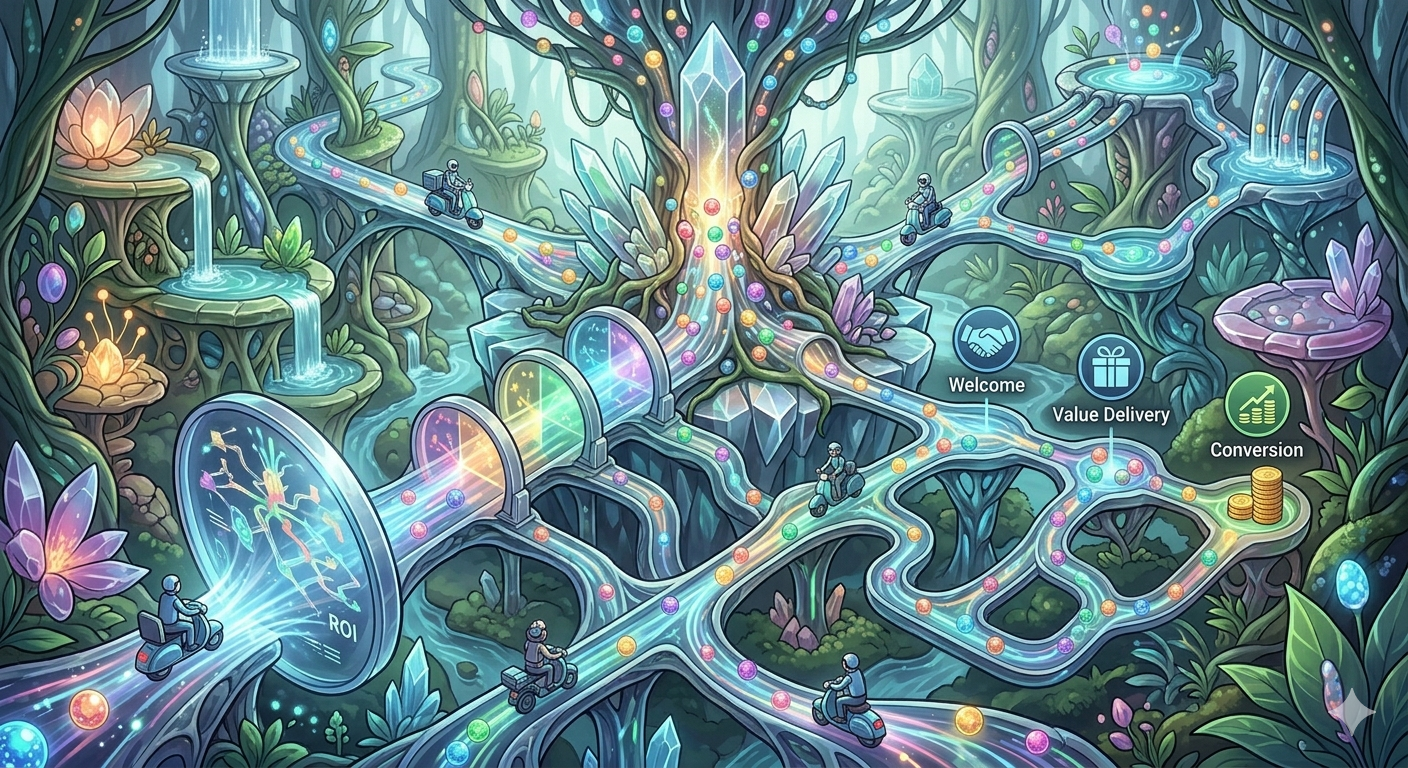
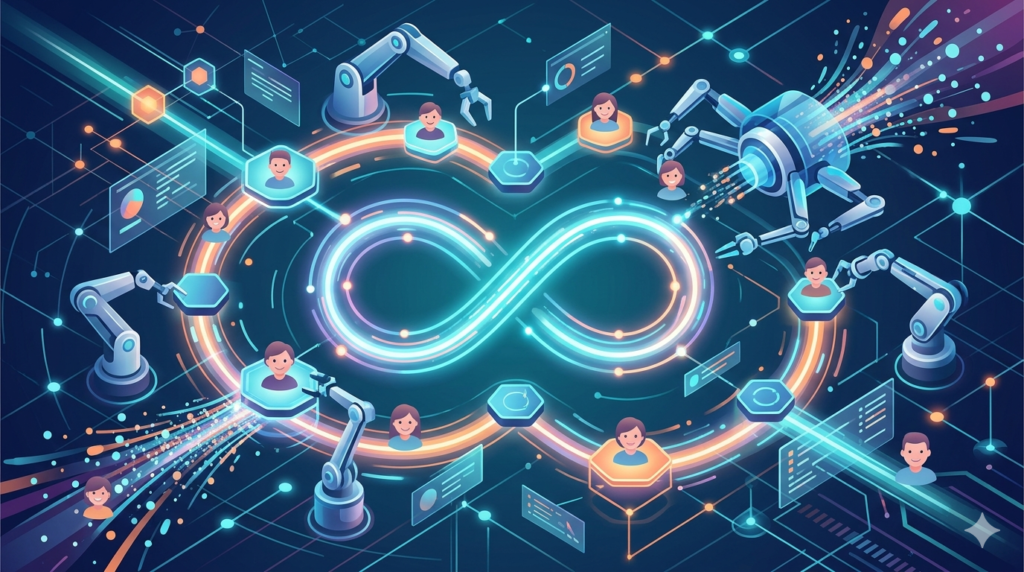
Customer retention automation is the practice of building email sequences that trigger automatically based on customer behavior, purchase patterns, and lifecycle signals — delivering the right message to the right customer at exactly the right moment to strengthen the relationship, prevent churn, and increase lifetime value. Unlike broadcast newsletters, retention automations are invisible to the customers who do not need them and perfectly timed for those who do.
1. The Post-Purchase Welcome Sequence
The moment after a customer makes their first purchase is one of the most emotionally significant in the entire customer relationship. They have overcome doubt and taken a financial risk. They want to feel that the decision was right. An automated post-purchase sequence — triggered immediately after the first order — should confirm the purchase with warmth, set expectations for what happens next, introduce other products or content relevant to what they just bought, and proactively answer the questions most new customers have. Brands that execute this sequence well see dramatically higher second-purchase rates compared to those that simply send a receipt and wait.
2. The Win-Back Campaign
Every customer list has subscribers who purchased once and then went quiet. They are not necessarily lost — they may have simply not received a compelling reason to return. An automated win-back sequence triggers when a previously active customer has not purchased within a defined window — typically 60 to 180 days depending on your average purchase frequency. The sequence acknowledges the gap, offers a compelling reason to return (usually a discount, an exclusive offer, or new product highlights), and gives the customer a clear, frictionless path back to a purchase. Well-designed win-back sequences typically recover 10-15% of lapsed customers — customers who would otherwise have been considered lost.
3. The Loyalty Recognition Sequence
Your most loyal customers — the ones who purchase frequently, spend more than average, and recommend you to others — deserve recognition that reflects their value. An automated loyalty sequence can trigger milestones: «You have been with us for one year,» «This is your fifth purchase,» «You have reached VIP status.» These triggers feel personal and meaningful to customers even though they are fully automated. Pair recognition with genuine rewards — early access, exclusive discounts, personalised recommendations — and loyal customers become not just retained but actively enthusiastic advocates.
4. The Churn Prevention Sequence
Predictive AI in modern email platforms can identify customers who are at elevated churn risk before they actually leave — based on declining engagement, reduced purchase frequency, or browsing patterns associated with pre-churn behavior in your historical data. An automated churn prevention sequence triggers for these at-risk customers with messages designed specifically to re-engage and re-commit: asking for feedback, highlighting new products or improvements since their last interaction, or offering a compelling incentive to make their next purchase. Catching a customer before they churn costs far less — in money, time, and relationship capital — than winning them back after they have already gone.
5. The Anniversary and Milestone Email
Automated anniversary emails — sent on the anniversary of a customer’s first purchase, or on their birthday if you have that data — generate extraordinarily high engagement because they arrive as a genuine personal moment rather than another marketing message. The key is to make them feel celebratory rather than transactional. Lead with the relationship, not the offer. An anniversary email that acknowledges how long someone has been a customer before presenting a gift or discount feels meaningfully different from one that leads with a discount code in the subject line.
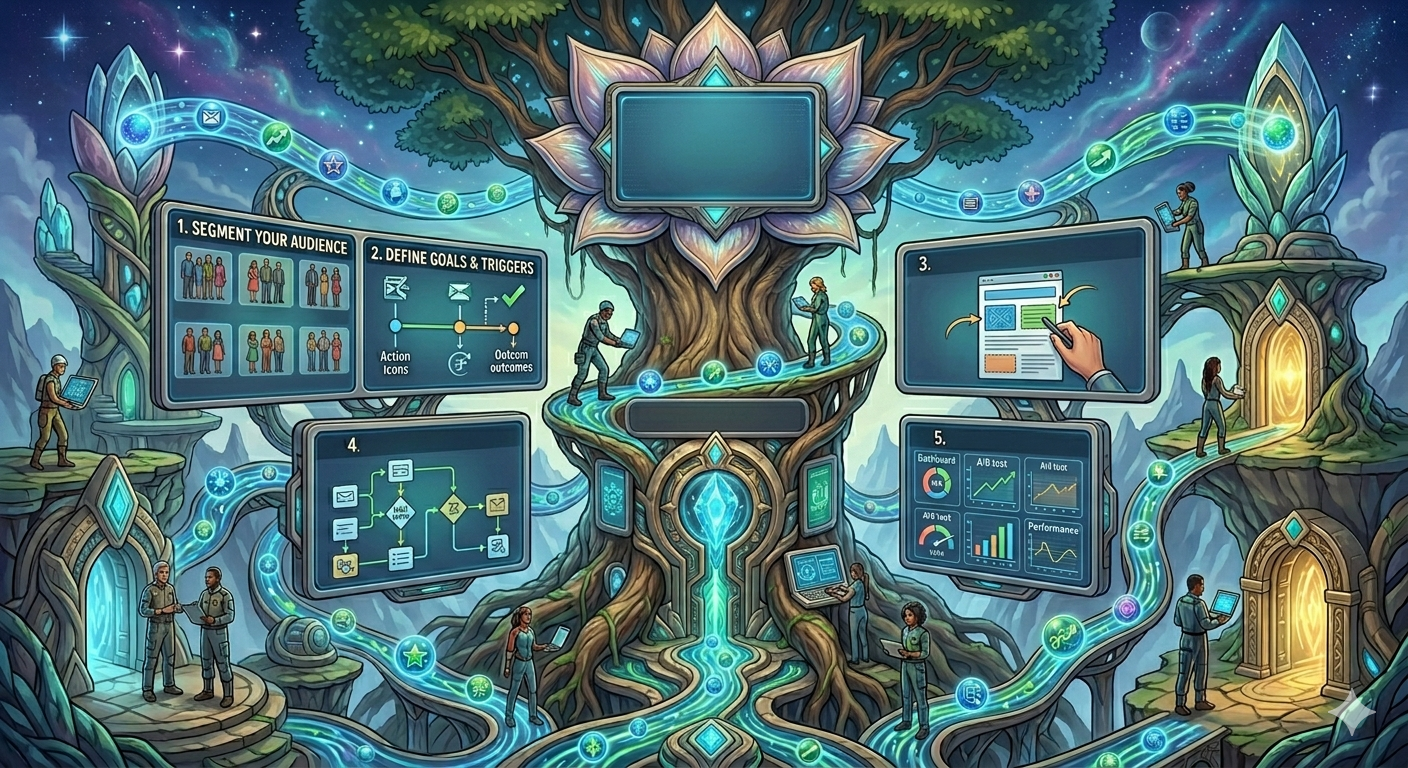
Setup priority: Build these sequences in order of impact. The post-purchase sequence should come first — it is the highest-leverage retention tool most businesses are not using. Then win-back. Then loyalty recognition. Then churn prevention. Each one is a permanent revenue-generating asset once built.
Retention Automations Are Permanent Investments
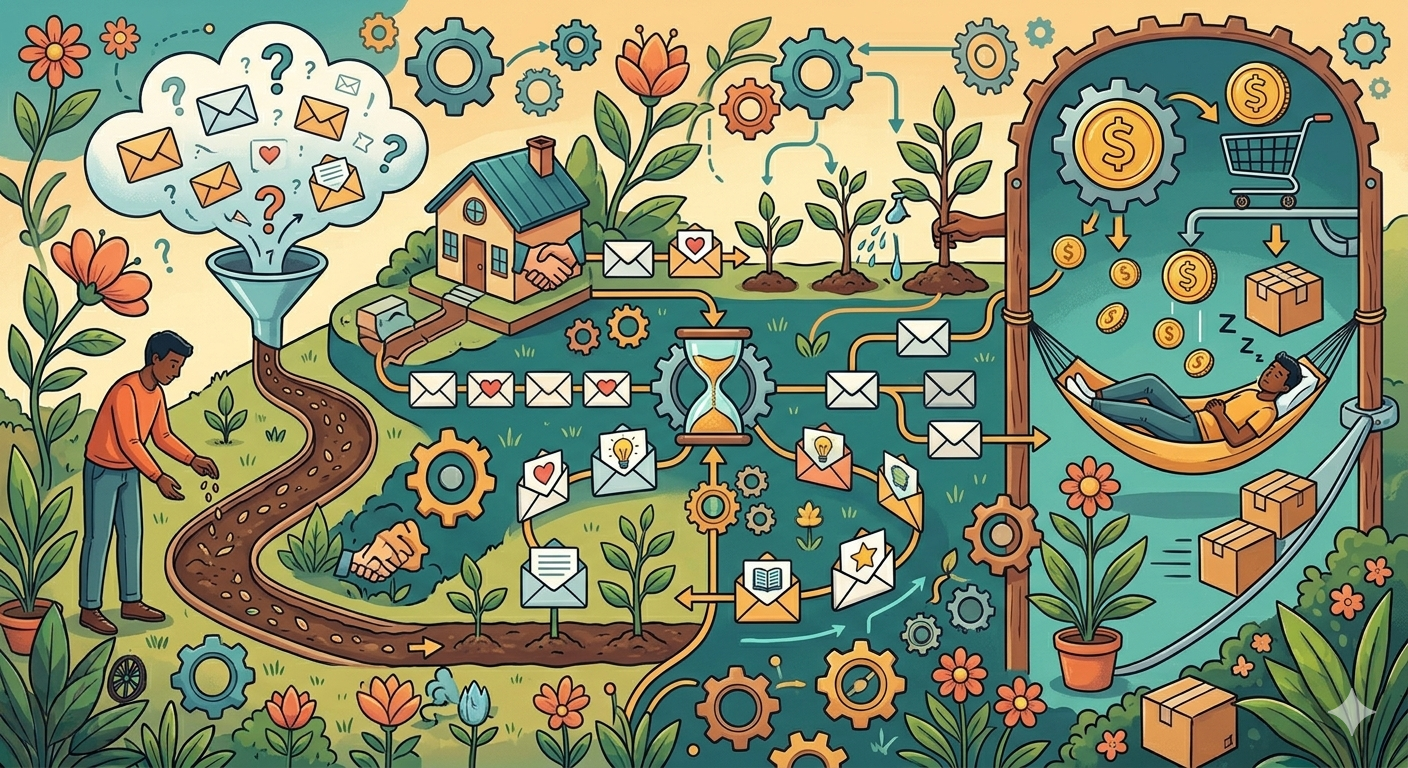
Unlike a campaign that runs once and is finished, a retention automation runs continuously — improving your customer relationships, preventing churn, and generating revenue every day without ongoing effort. Build them once. Optimize them over time based on performance data. And watch the lifetime value of your customer base grow in ways that no acquisition campaign alone could achieve.