

EmailMarketingZone.es · April 2026 · 8 min read
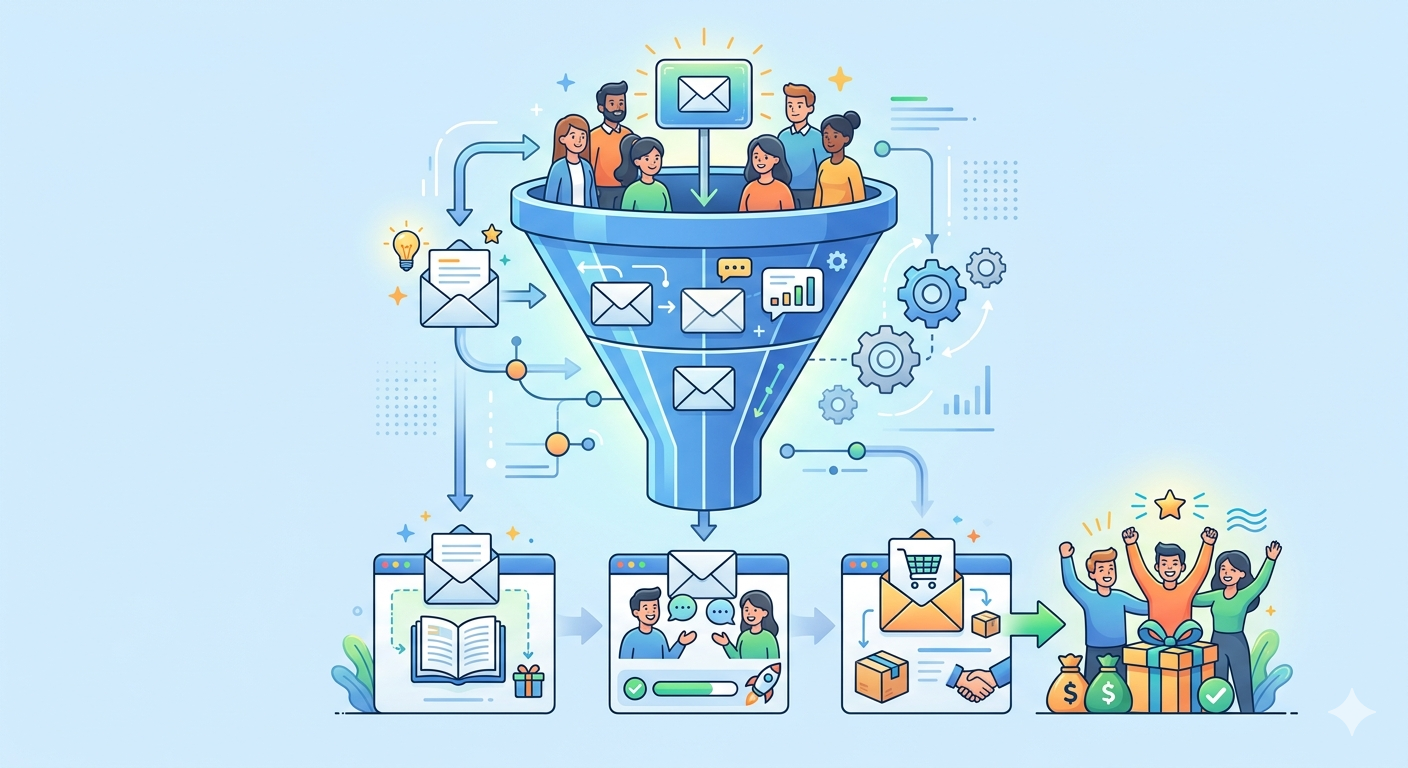
Email automation sounds like something that belongs to large enterprises with dedicated marketing teams and sophisticated technology stacks. It is not. In 2026, the tools that power world-class email automation are available to any small business for under $20 per month — and the automations that generate the most revenue are not complicated. They are simple, well-timed, and genuinely useful to the people who receive them.
Here are the automations that every small business should have running, with real examples of what they look like in practice.
1. The Welcome Sequence — Your Most Important Automation
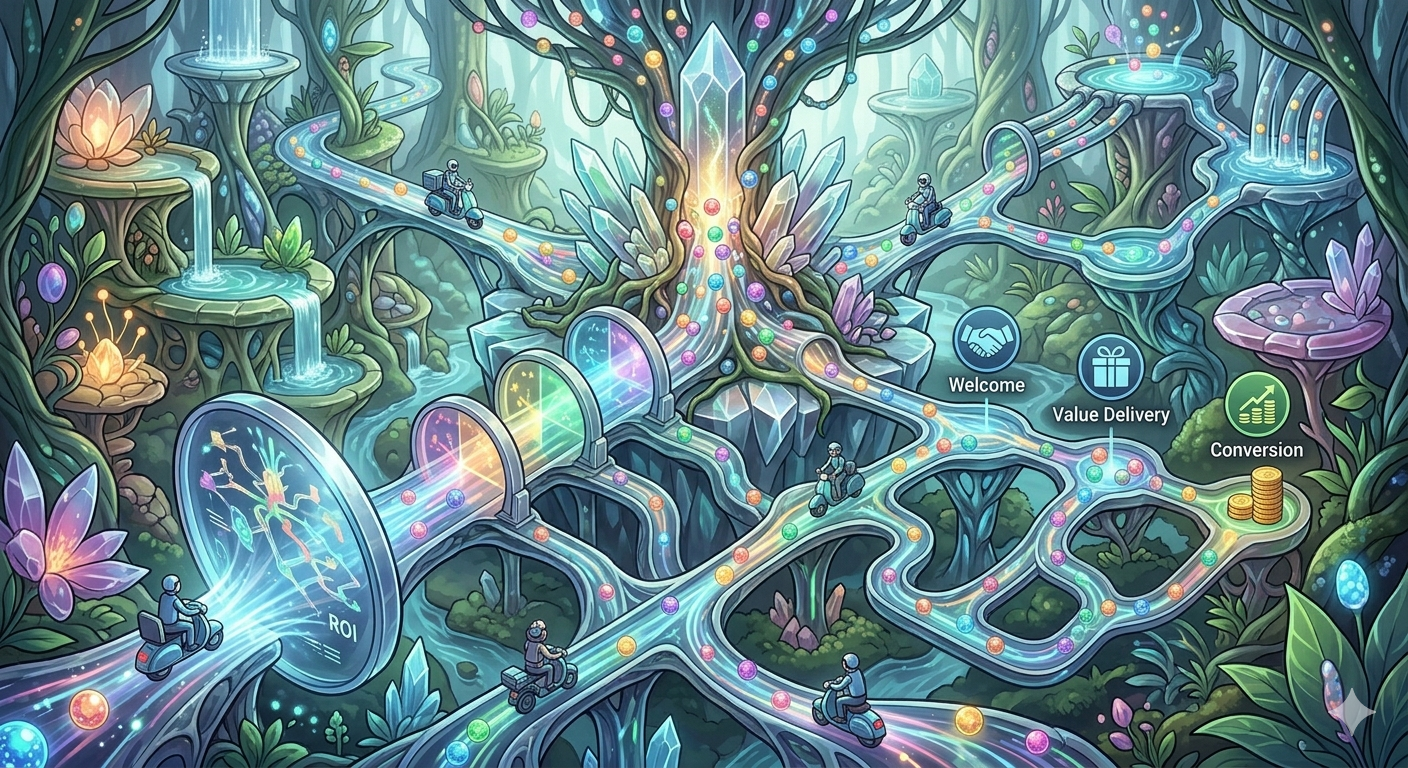
Every new subscriber should receive an automated welcome sequence that begins the moment they join your list. This is the highest-engagement window you will ever have with any subscriber — they just raised their hand and said they are interested. Do not waste it with a single generic welcome email. A simple three-email welcome sequence works exceptionally well for most small businesses.
Email 1 (immediate): Deliver whatever you promised — the free guide, the discount code, the first chapter. Make the subscriber immediately glad they signed up. Email 2 (day 2-3): Introduce yourself and your story. Who are you? Why did you start this business? What do you believe that most people in your industry do not? This is the email that transforms a transaction into a relationship. Email 3 (day 5-7): Present your best content, your most popular product, or your most compelling offer. The subscriber now knows you and trusts you enough to consider what you sell.
2. The Abandoned Cart Email — Revenue You Are Currently Leaving Behind
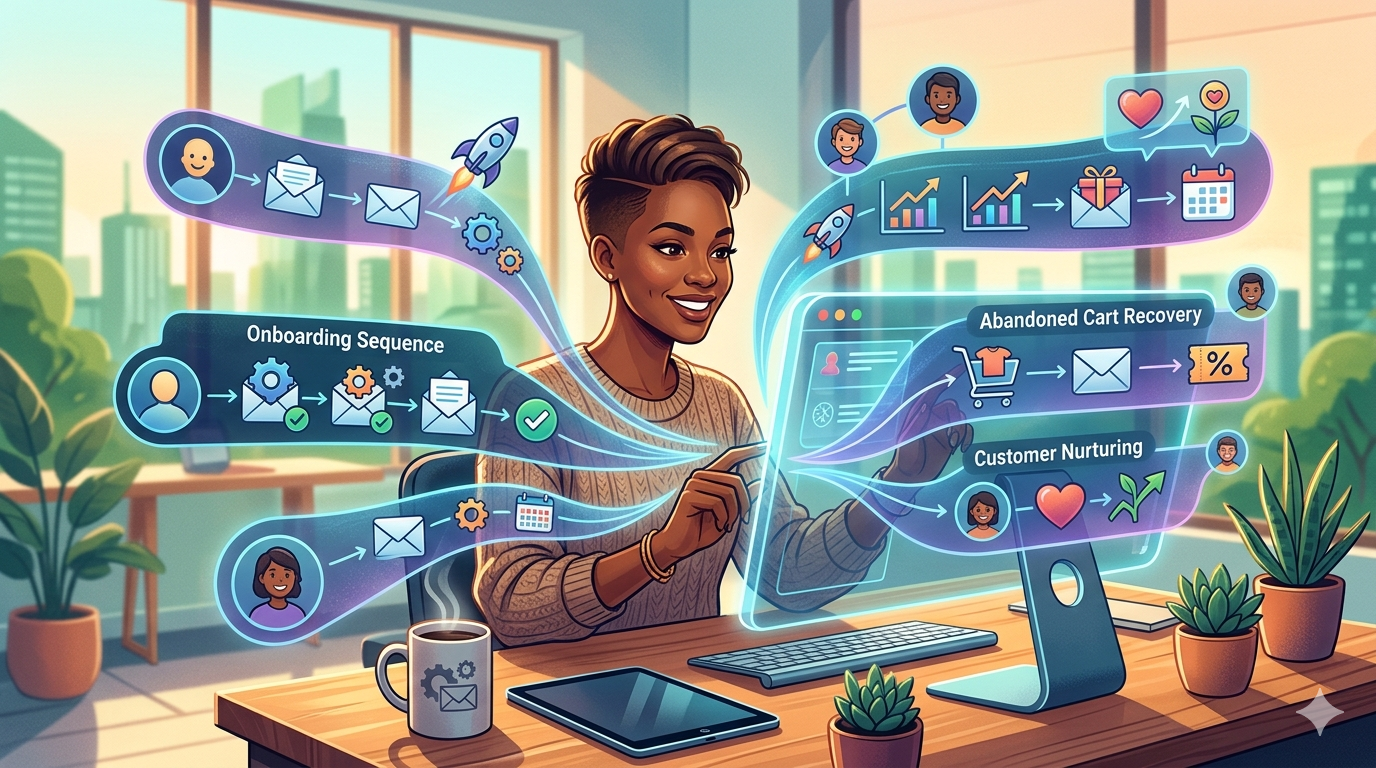
If you run an ecommerce store, abandoned cart automation is the single highest-ROI automation you can build. On average, 70% of online shopping carts are abandoned before purchase. A well-timed abandoned cart sequence recovers between 10-15% of those — turning browsers who almost bought into buyers who actually do. The sequence typically has three emails: one sent one hour after abandonment (gentle reminder), one sent 24 hours after (adds social proof or addresses common objections), and one sent 48-72 hours after (includes a time-limited incentive if the first two did not convert). Most modern ecommerce email platforms build this sequence in under an hour using pre-built templates.
3. The Post-Purchase Thank You — Turning Buyers Into Repeat Customers
Most small businesses send a receipt. The best small businesses send a warm, personal thank you that begins the relationship with a new customer rather than simply confirming a transaction. A post-purchase automation for a small bakery might look like this: Email 1 (immediately): Warm thank you, order confirmation, and what to expect. Email 2 (3 days after delivery): Check-in asking how they enjoyed the order, inviting a review, and introducing a related product. Email 3 (14 days after): A personal note sharing a recipe or baking tip related to what they bought — pure value, no hard sell. This three-email sequence consistently generates second purchases and customer reviews from people who would otherwise have remained one-time buyers.
4. The Lead Nurture Sequence — For Service-Based Businesses
A small consultancy, a freelance designer, a local accountant — any service-based business that generates leads online benefits enormously from a lead nurture automation. When someone downloads a guide, requests a quote, or books a free consultation call, they enter an automated sequence that continues to provide value and build trust until they are ready to hire. A simple five-email nurture sequence over three weeks — sharing case studies, answering common objections, demonstrating expertise through helpful content — can double the conversion rate of cold leads who would otherwise have simply stopped responding after the initial contact.
5. The Re-Engagement Campaign — Recovering Silent Subscribers
Every email list naturally accumulates subscribers who stop engaging. Running a re-engagement automation for subscribers who have not opened in 90 days is one of the most underused opportunities for small businesses. The sequence is simple: Email 1: «We miss you» — acknowledge the silence, offer something valuable, ask if they still want to hear from you. Email 2 (1 week later): A compelling offer or a direct question: «Should we keep sending you emails?» Email 3: If still no engagement, a goodbye email explaining that you will remove them from the list — this email generates surprisingly high re-engagement simply because people do not want to be removed. If they do not respond after email 3, remove them. Your list becomes smaller but dramatically more engaged.
6. The Birthday Email — Small Touch, Big Impact
For businesses with customer birthday data, an automated birthday email is one of the highest open-rate and highest conversion automations available. «Happy birthday — here is a gift from us» with a time-limited discount or exclusive offer generates remarkably strong engagement because it arrives as a personal, celebratory moment rather than another promotional email. The setup takes less than thirty minutes. It then runs automatically, sending the right message to every subscriber on their birthday, every year, indefinitely.
Where to start: If you are new to email automation, build your welcome sequence first. It requires the least technical complexity, generates the highest engagement of any automation type, and begins improving your subscriber relationships from the moment it is live. Everything else can be added afterward.
Start Simple — Then Build
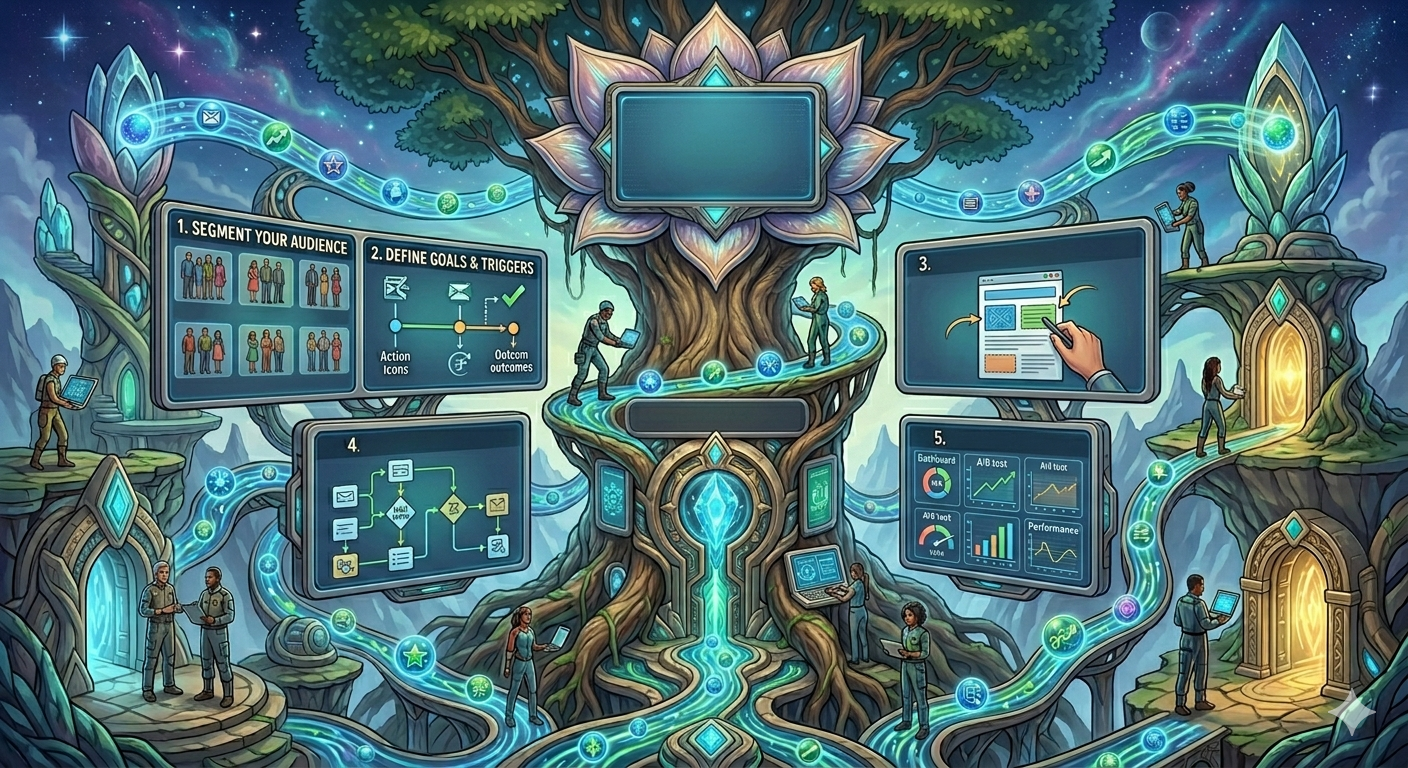
You do not need to build all six of these automations this week. Start with the one that addresses your biggest current gap — most likely the welcome sequence or the abandoned cart flow. Build it properly. Let it run for a month. Review the performance data. Optimize one element. Then build the next automation. Six months from now, you will have a collection of revenue-generating systems that work continuously without ongoing effort — and your email program will be one of the most valuable assets your small business owns.