






1. Introduction
Email marketing is still one of the most powerful ways to connect with people. But writing emails every day can feel slow, repetitive, and exhausting.
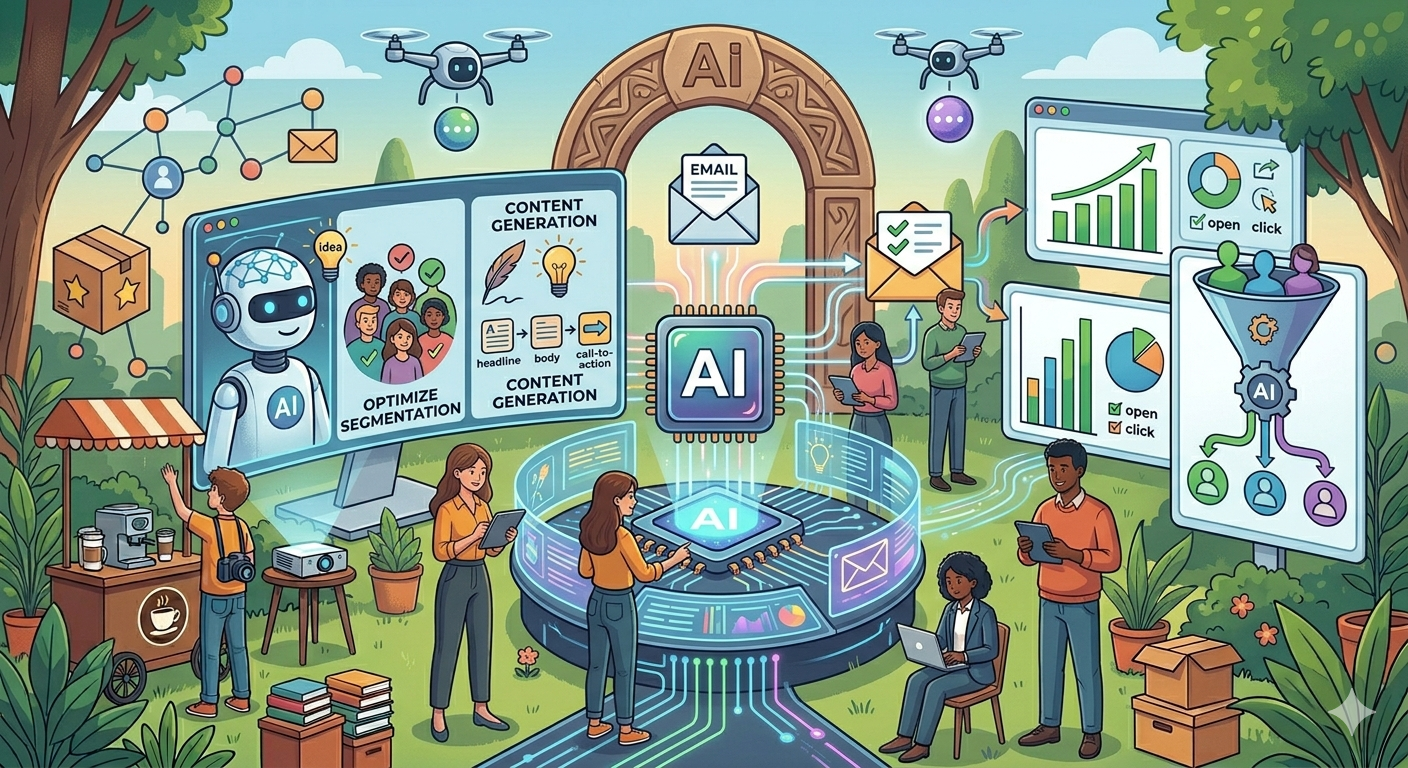
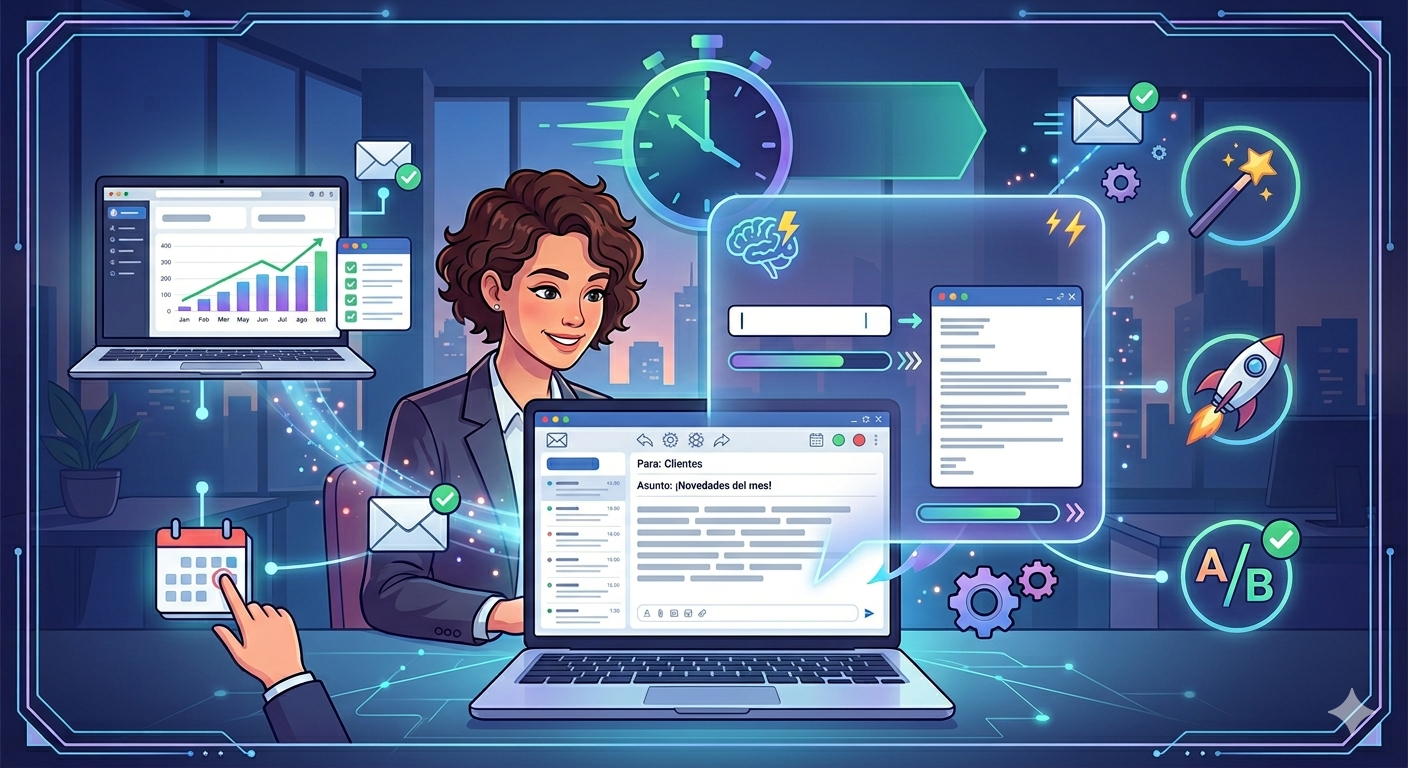
That is where AI tools for email marketing come in. They help you write faster, think clearer, and connect better with your audience without losing your voice.
2. What are AI tools for email writing and why do they matter?
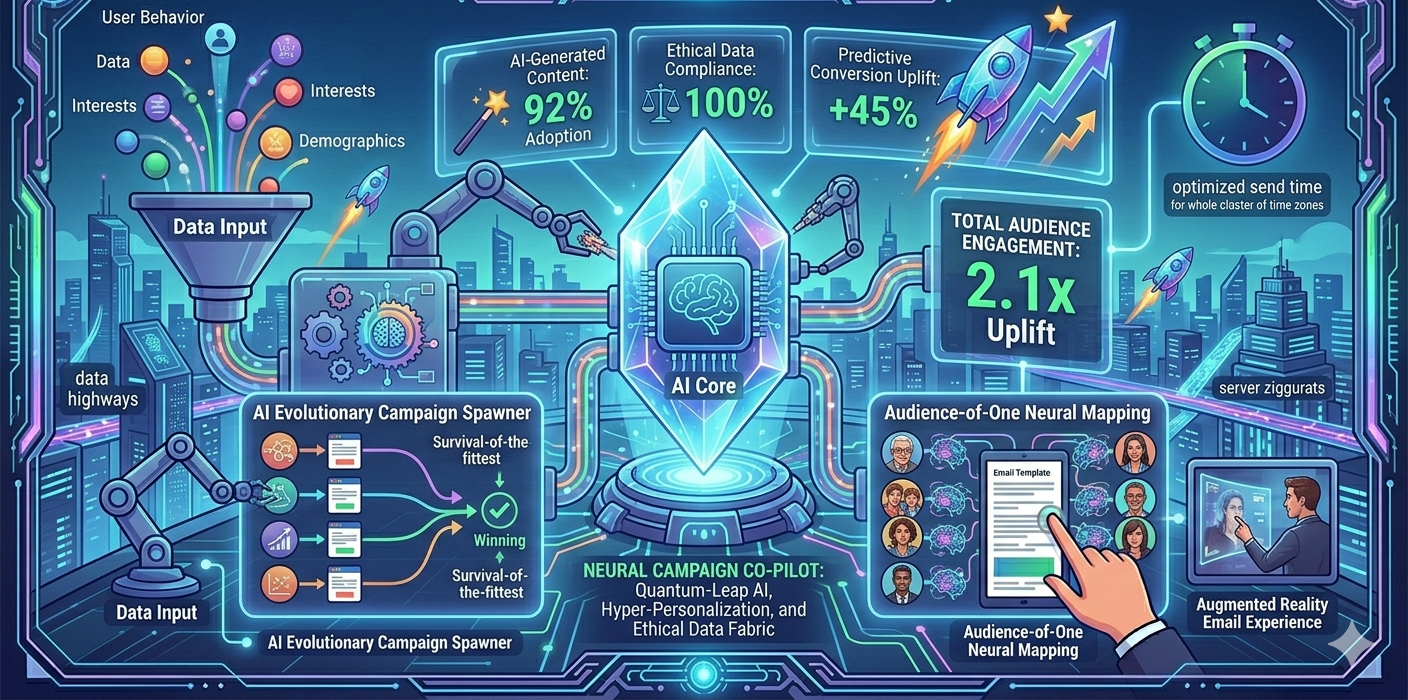
AI tools are smart software systems that help you create emails in seconds. They use data, patterns, and language models to generate content that sounds natural and engaging.
But this is not just about speed. It is about clarity, creativity, and consistency.
Why AI tools are important in email marketing:
- Save time when writing emails
- Generate ideas when you feel stuck
- Improve subject lines and open rates
- Personalize content for different audiences
- Maintain consistency in tone and style
- Reduce mental fatigue
In simple words, AI does the heavy work so you can focus on strategy and growth.
3. How AI tools help you write emails faster
Writing emails manually takes time. You think, rewrite, delete, and start again.
AI tools change this process completely.
1. Instant content generation
You write a short prompt, and the tool creates a full email in seconds.
2. Better subject lines
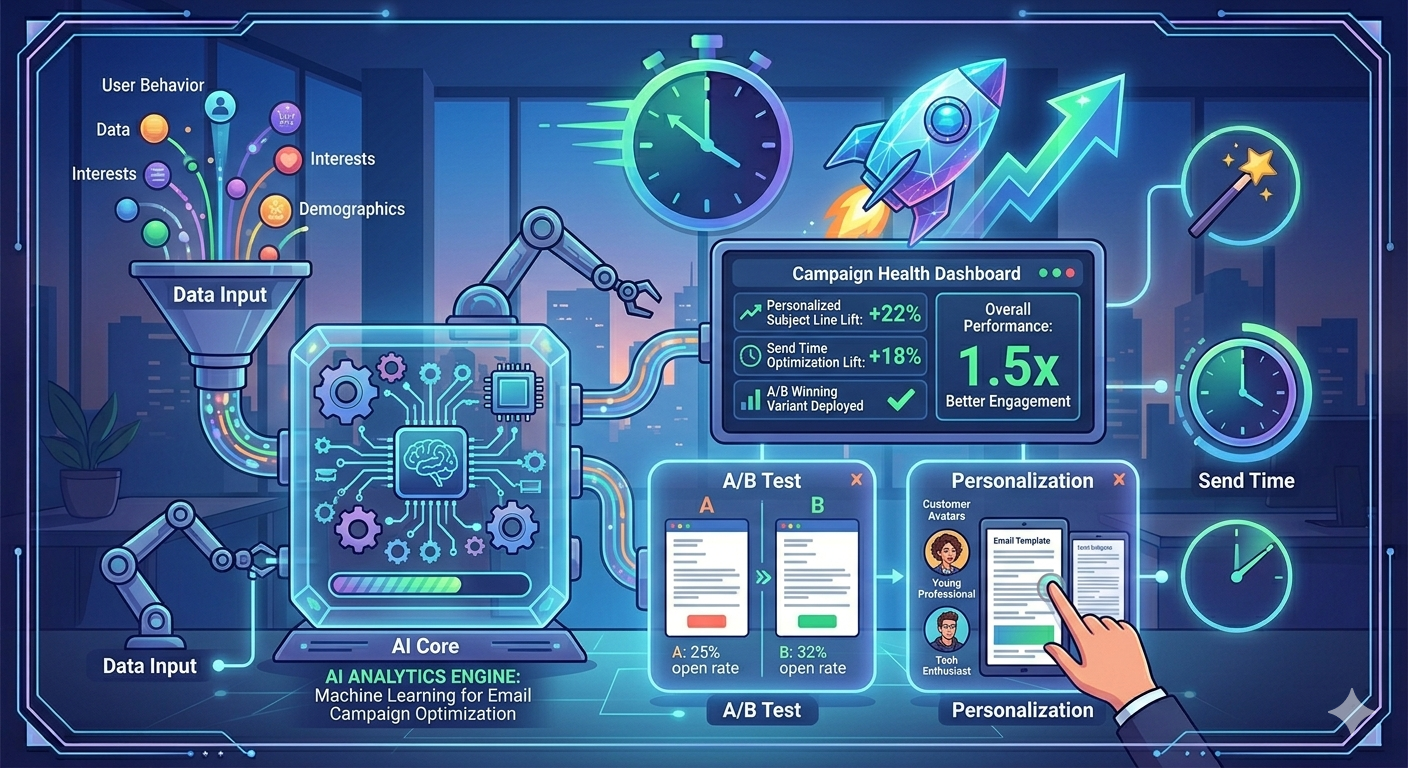
AI suggests subject lines designed to grab attention and increase open rates.
3. Smart personalization
AI adapts your message to different audiences automatically.
4. Tone adjustment
Need a friendly tone? Professional? Urgent? AI adjusts instantly.
5. Continuous improvement
Some tools learn from performance data and suggest better versions over time.
This means less effort, less stress, and more results.
4. Best AI tools to write emails faster
There are many tools available, but these are some of the most effective and easy to use:
1. ChatGPT
Great for generating complete emails, ideas, and sequences. Flexible and powerful.
2. Jasper AI
Designed for marketing content. Strong in persuasive and emotional writing.
3. Copy.ai
Simple and fast. Ideal for short emails and subject lines.
4. Writesonic
Good for sales emails and automated campaigns.
5. Grammarly
Not for generating emails, but perfect for improving clarity and tone.
Each tool has a different strength, but all help you move faster and write better.
5. How to use AI tools in your email marketing strategy
Using AI is not about replacing your voice. It is about enhancing it.
Follow this simple process:
1. Start with a clear goal
Know what you want the email to achieve:
- Sell a product
- Inform your audience
- Get clicks
- Build trust
2. Give a clear prompt
The better your input, the better the result.
Example:
“Write a short promotional email with a friendly tone offering 20% discount.”
3. Edit and personalize
Do not copy and paste blindly. Add your brand voice and human touch.
4. Test different versions
Try different subject lines or styles and see what works best.
5. Automate where possible
Combine AI tools with automation platforms to save even more time.
6. Types of emails you can create with AI
AI tools can help you create almost any type of email:
Promotional emails
Persuasive and action-driven messages to increase sales.
Newsletters
Informative emails that keep your audience engaged.
Welcome emails
Warm and friendly messages that create a strong first impression.
Follow-up emails
Reminders that feel natural, not pushy.
Re-engagement emails
Emotional messages that reconnect with inactive users.
Loyalty emails
Messages that make customers feel valued and appreciated.
7. Best practices when using AI for email marketing
AI is powerful, but you need to use it correctly.
Keep your human voice
Do not sound robotic. Add personality and emotion.
Focus on clarity
Simple messages perform better than complex ones.
Use emotional language
Words that create feeling drive action.
Always review the content
AI can make mistakes. Always check before sending.
Avoid over-automation
Too many automated emails can feel cold and distant.
Test and optimize
Use data to improve your emails over time.
8. Common mistakes when using AI tools
Avoid these common errors:
Relying completely on AI
AI helps, but your strategy still matters.
Using generic prompts
Weak input creates weak output.
Not editing the final result
Always refine the content.
Ignoring your audience
Your emails must still feel personal and relevant.
Overusing AI-generated content
Balance automation with authenticity.
9. When should you start using AI tools?
The answer is simple: now.
If you feel:
- Writing emails takes too long
- You run out of ideas
- Your emails lack consistency
- You want better results with less effort
Then AI tools can help you immediately.
10. Conclusion
AI tools are changing the way we do email marketing. They make writing faster, easier, and more effective.
But the real power comes when you combine AI with human creativity.
Use AI to save time. Use your voice to build trust.
That is how you turn simple emails into powerful connections that grow your business.