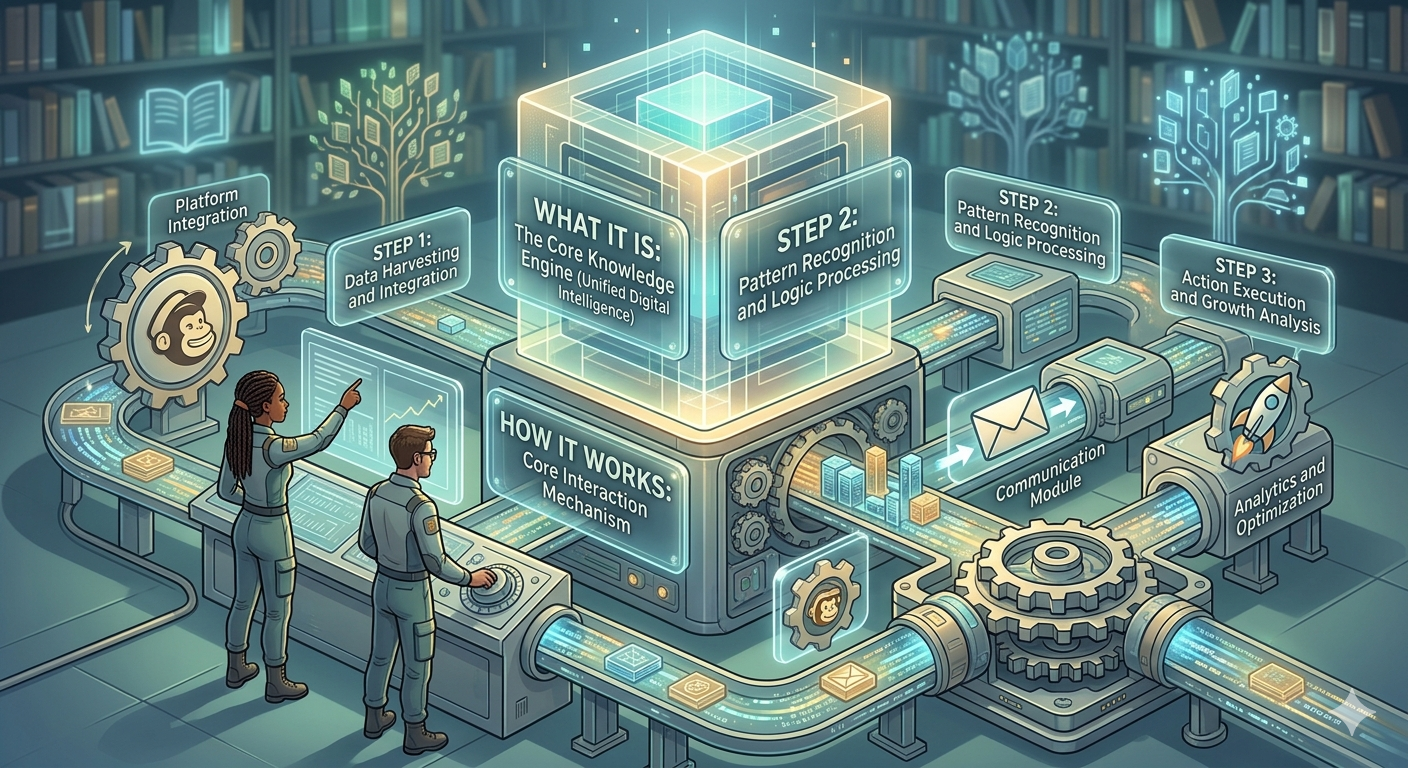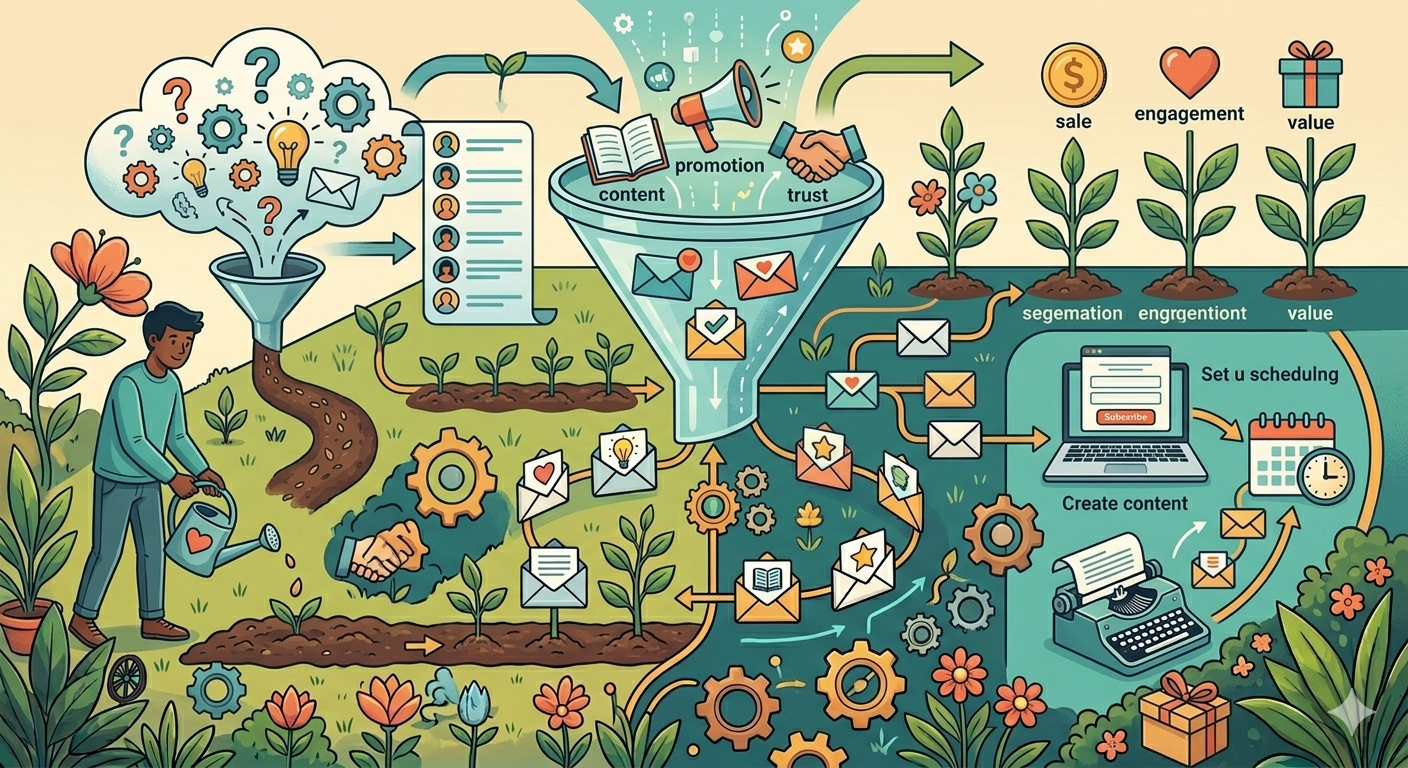









Building an email list from scratch is one of the most valuable investments you can make for your business. Unlike social media followers, your email list is something you truly own—and it gives you direct access to your audience.
If you’re starting with zero subscribers, don’t worry. In this guide, you’ll learn how to build an email list step by step.
Why Building an Email List Is So Important
Before diving into tactics, let’s understand the value of an email list.
- You own your audience
- Higher engagement than social media
- Better conversion rates
- Long-term asset for your business
An email list is not just a collection of contacts—it’s a community of people interested in what you offer.
Step 1: Choose an Email Marketing Platform
Before collecting emails, you need a system to store and manage them.
Choose a platform that offers:
- Signup forms
- Landing pages
- Automation features
- Analytics
Popular options include Mailchimp, ConvertKit, and ActiveCampaign.
Step 2: Create a Lead Magnet
A lead magnet is something valuable you offer in exchange for someone’s email address.
Effective Lead Magnet Ideas
- Ebook or guide
- Checklist
- Template
- Free course
- Discount or coupon
Your lead magnet should solve a specific problem for your target audience.
Step 3: Create High-Converting Signup Forms
Your signup forms are where people join your list—so they need to be optimized.
Types of Forms
- Inline forms (within blog posts)
- Pop-ups
- Slide-ins
- Full-page landing forms
Tips for Better Conversions
- Use a clear headline
- Highlight the benefit
- Keep the form simple (name + email)
- Add a strong call-to-action
Step 4: Build Dedicated Landing Pages
Landing pages are designed specifically to convert visitors into subscribers.
Unlike regular web pages, they focus on one goal: getting the email.
What to Include
- A compelling headline
- Clear value proposition
- Benefits of your lead magnet
- Social proof (if possible)
- A simple signup form
You can drive traffic to these pages through ads, social media, or blog content.
Step 5: Drive Traffic to Your Signup Forms
Even the best forms won’t work without traffic.
Traffic Sources
- Blog posts (SEO)
- Social media platforms
- YouTube or video content
- Paid ads (Facebook, Google)
- Guest posting
Focus on channels where your target audience spends time.
Step 6: Use Content Marketing
Content marketing is one of the most effective ways to grow your email list organically.
Examples
- Write blog posts related to your niche
- Offer content upgrades (bonus resources within posts)
- Include CTAs throughout your content
The more value you provide, the more likely people are to subscribe.
Step 7: Leverage Social Proof
People are more likely to subscribe if they see others doing the same.
Ways to Add Social Proof
- Show subscriber count
- Include testimonials
- Highlight media mentions
- Share success stories
This builds trust and increases conversions.
Step 8: Optimize and Test
List building is an ongoing process.
What to Test
- Headlines
- CTA buttons
- Form placement
- Lead magnet offers
Small changes can significantly impact your conversion rates.
Step 9: Maintain a Healthy Email List
Building your list is just the beginning—you also need to maintain it.
Best Practices
- Remove inactive subscribers
- Avoid buying email lists
- Send regular, valuable content
- Keep your list engaged
A smaller, engaged list is better than a large, inactive one.
Common Mistakes to Avoid
When building your email list, avoid these common pitfalls:
- Not offering a lead magnet
- Asking for too much information
- Ignoring mobile optimization
- Not promoting your forms
- Focusing on quantity over quality
Final Thoughts
Building an email list from scratch takes time, but it’s one of the most rewarding strategies for long-term growth.
Start with a strong lead magnet, create optimized signup forms, and focus on delivering value. As your list grows, so will your ability to connect with your audience and grow your business.