




A Step-by-Step Guide to Get Started
Email marketing remains one of the most powerful and cost-effective digital marketing strategies. Whether you’re running a small business, a startup, or a personal brand, email allows you to build direct relationships with your audience, nurture leads, and drive consistent revenue.
If you’re new to email marketing, this step-by-step guide will walk you through everything you need to know to get started the right way.
What Is Email Marketing?
Email marketing is the process of sending targeted messages to a group of people via email. These messages can include newsletters, promotional offers, product updates, or educational content.
Unlike social media, where algorithms control your reach, email marketing gives you direct access to your audience’s inbox—making it one of the most reliable communication channels.
Why Email Marketing Is Important
Before diving into the steps, it’s important to understand why email marketing matters:
- High ROI: Email marketing consistently delivers one of the highest returns on investment among digital channels.
- Direct communication: You own your email list—no platform restrictions.
- Personalization: You can tailor messages based on user behavior and preferences.
- Automation: Once set up, email campaigns can run on autopilot.
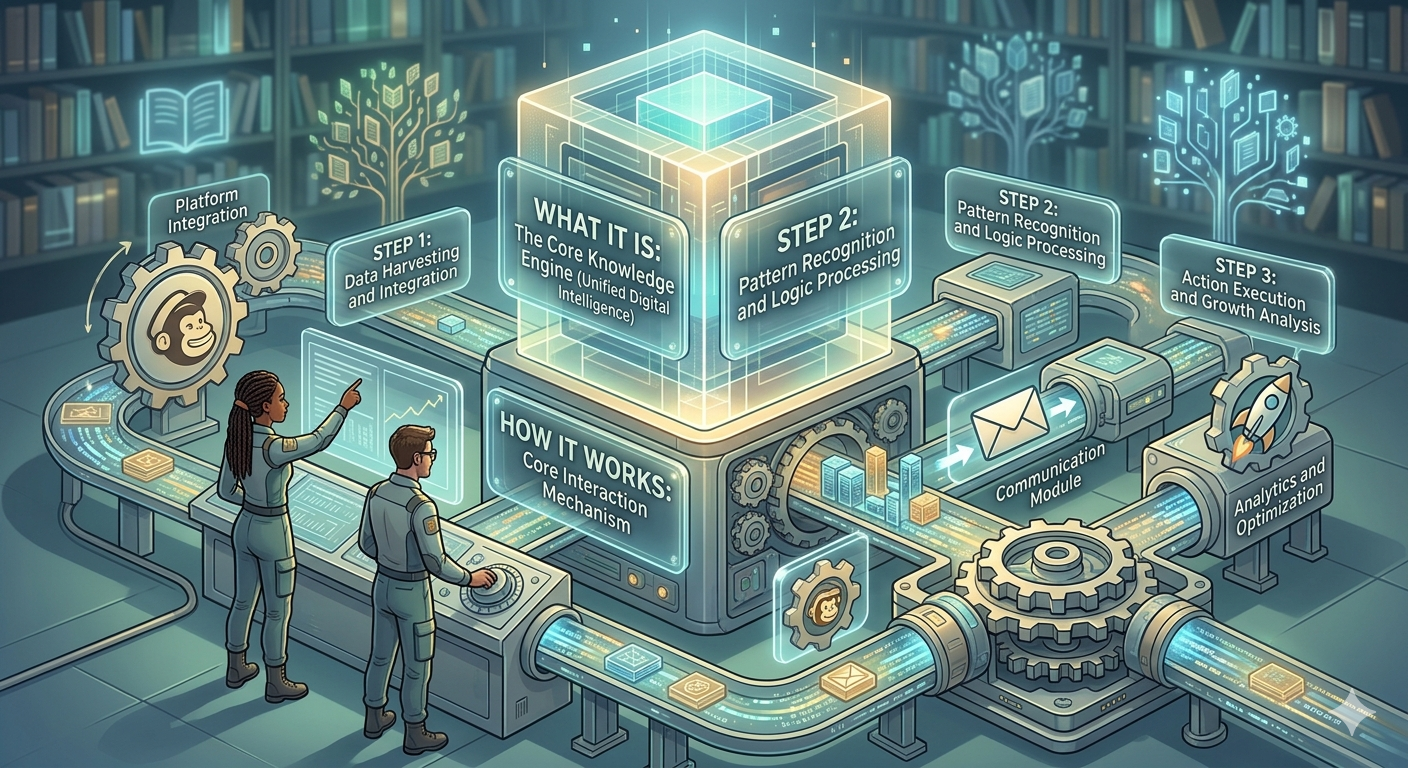
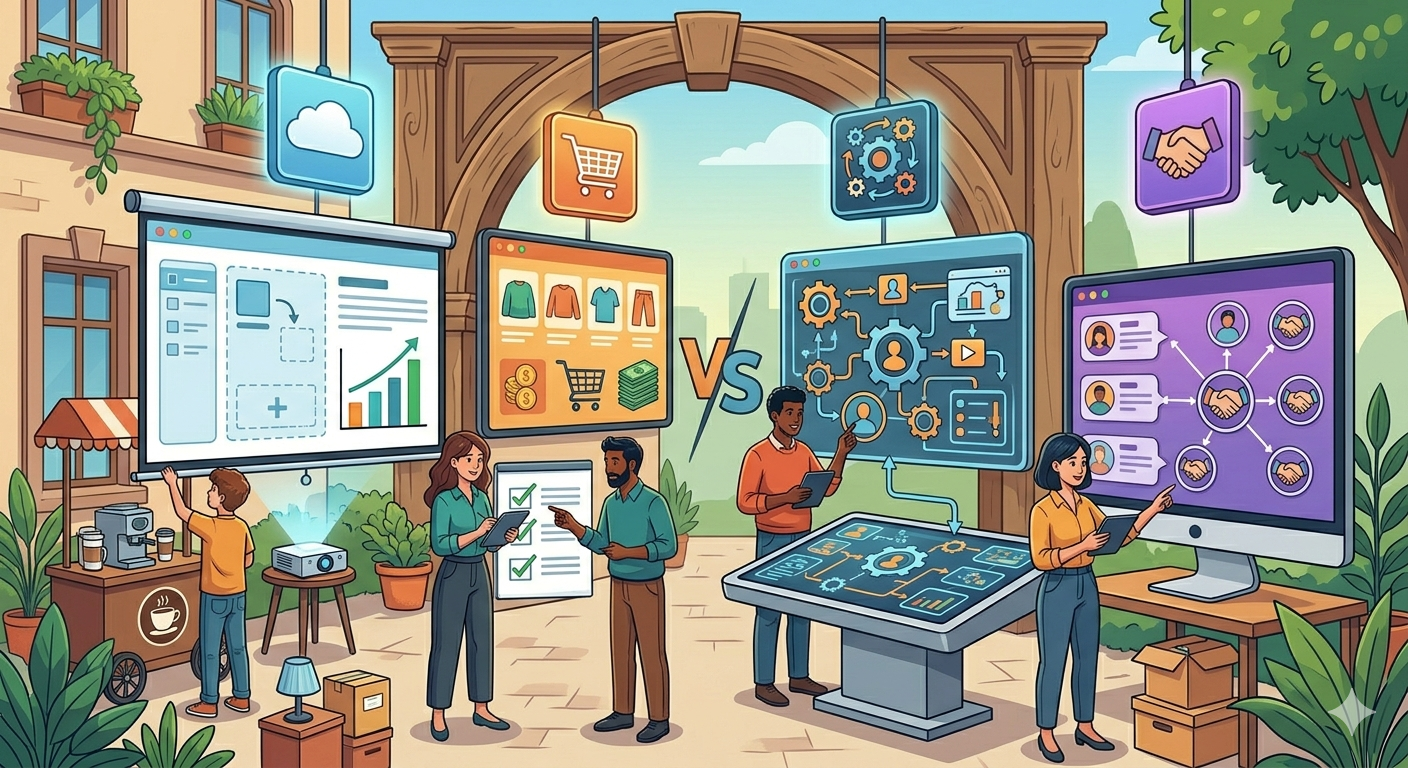
Step 1: Choose an Email Marketing Platform
The first step is selecting a tool to manage your email campaigns. These platforms help you collect subscribers, design emails, and automate your marketing.
Popular options include:
- Mailchimp
- ConvertKit
- ActiveCampaign
- Klaviyo
When choosing a platform, look for features like ease of use, automation capabilities, segmentation, and pricing.
Step 2: Build Your Email List
You can’t do email marketing without subscribers. Building your list should be a top priority.
How to Grow Your List
- Add signup forms to your website (homepage, blog posts, pop-ups)
- Offer a lead magnet (eBook, checklist, discount, free course)
- Use landing pages designed specifically for conversions
- Promote your list on social media
Important Tip
Never buy email lists. Not only is it ineffective, but it can also damage your sender reputation and violate privacy laws.
Step 3: Understand Your Audience
To send effective emails, you need to know who you’re talking to.
Ask yourself:
- What problems does my audience have?
- What are they interested in?
- What kind of content do they expect?
The better you understand your audience, the more relevant and engaging your emails will be.
Step 4: Create Your First Email Campaign
Now it’s time to send your first email.
Basic Structure of an Email
- Subject line – Grabs attention and encourages opens
- Preview text – Supports the subject line
- Body content – Delivers value
- Call-to-action (CTA) – Tells the reader what to do next
Example CTA
- “Download your free guide”
- “Shop now and save 20%”
- “Read the full article”
Keep your emails clear, concise, and focused on one main goal.
Step 5: Segment Your Audience
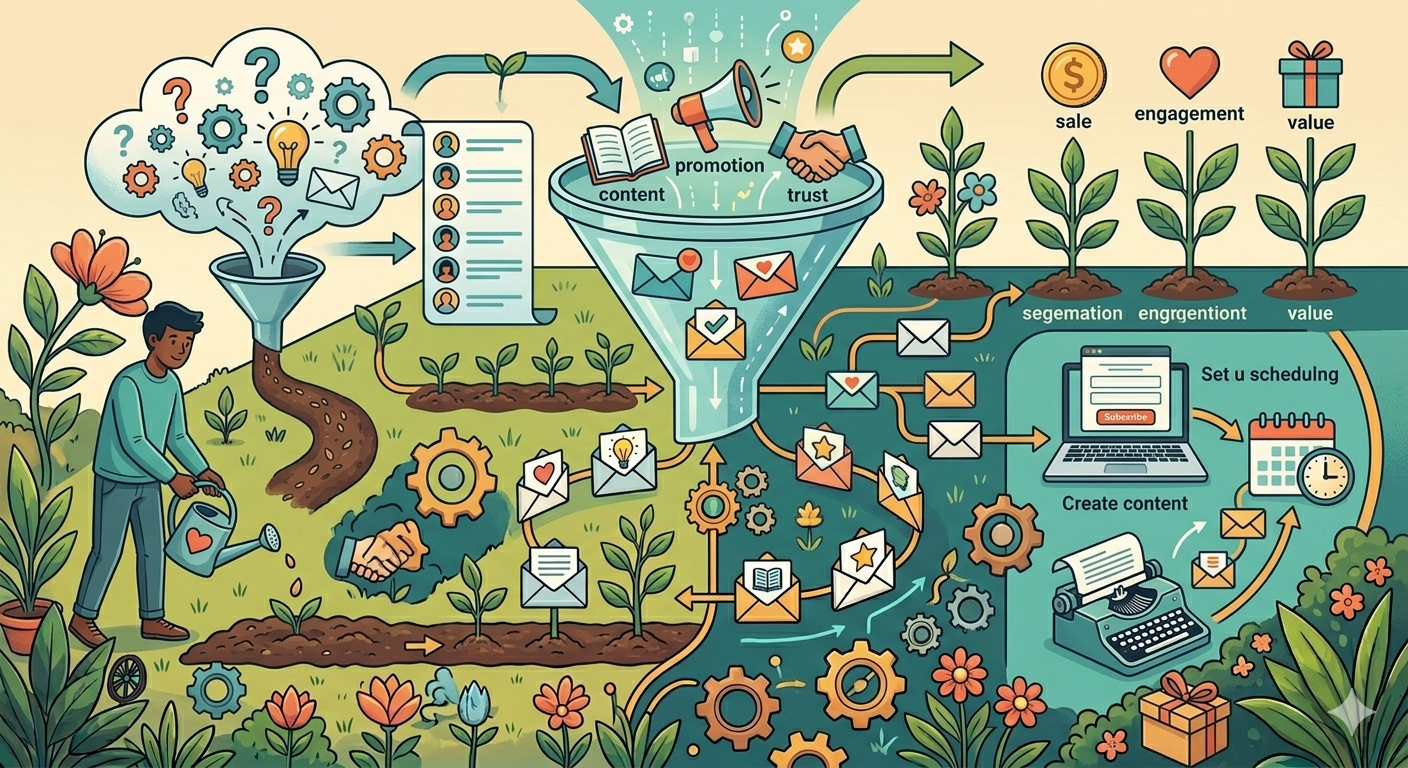
Not all subscribers are the same. Segmentation allows you to divide your list into smaller groups based on specific criteria.
Common Segmentation Ideas
- New vs. existing subscribers
- Purchase history
- Engagement level
- Interests or preferences
Segmented campaigns perform significantly better because they are more relevant to each group.
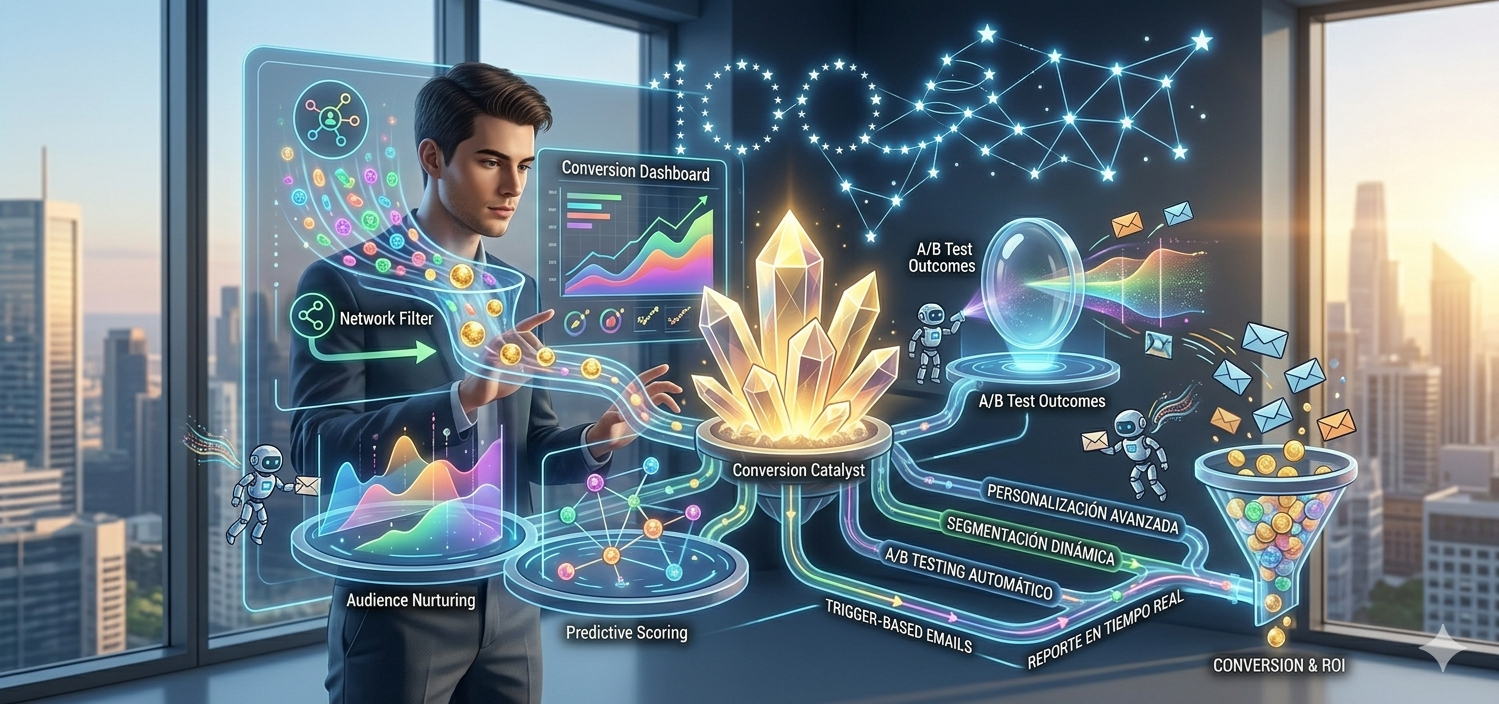
Step 6: Set Up Email Automation
Automation is where email marketing really shines.
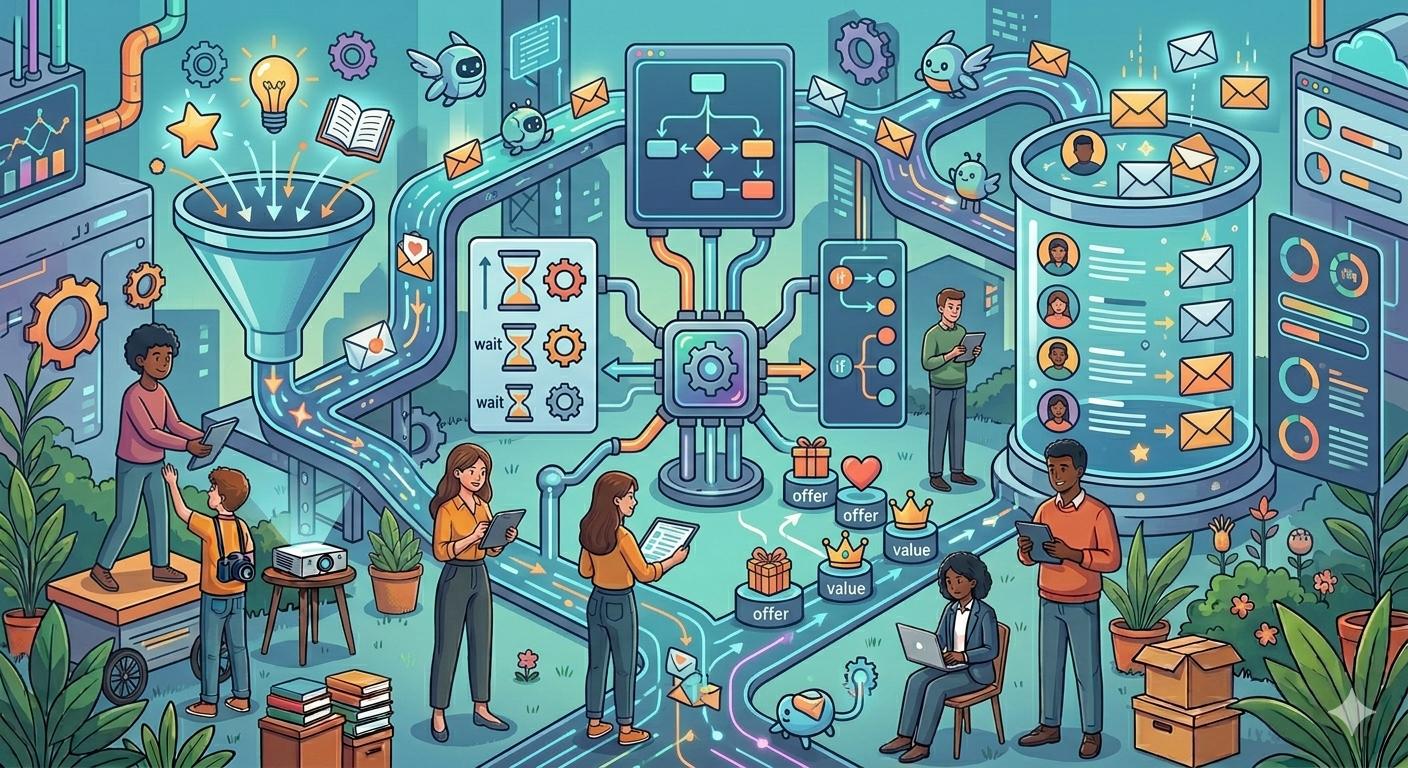
Instead of sending every email manually, you can create automated workflows that trigger based on user actions.
Essential Automation Flows
- Welcome series – Introduces new subscribers to your brand
- Abandoned cart emails – Recover lost sales
- Follow-up sequences – Nurture leads over time
- Re-engagement campaigns – Win back inactive subscribers
Automation saves time and ensures your audience receives timely, relevant messages.
Step 7: Optimize for Better Results
Email marketing is not a one-time task—it’s an ongoing process of testing and improving.
Key Metrics to Track
- Open rate – Percentage of people who open your email
- Click-through rate (CTR) – Percentage who click links
- Conversion rate – Percentage who take action
- Unsubscribe rate – People who opt out
Tips for Improvement
- Test different subject lines (A/B testing)
- Experiment with send times
- Improve your email design
- Personalize your content
Small changes can lead to significant improvements over time.
Step 8: Follow Legal and Ethical Guidelines
Email marketing comes with responsibilities. Make sure you comply with regulations such as GDPR and CAN-SPAM.
Best Practices
- Always get permission before emailing someone
- Include an unsubscribe link in every email
- Be transparent about how you use data
- Avoid misleading subject lines
Building trust is essential for long-term success.
Common Mistakes to Avoid
As a beginner, watch out for these common pitfalls:
- Sending too many emails
- Ignoring mobile optimization
- Writing weak subject lines
- Not providing value
- Failing to segment your list
Avoiding these mistakes will help you grow faster and maintain a healthy email list.
Final Thoughts
Email marketing might seem overwhelming at first, but once you break it down into steps, it becomes much more manageable.
Start by choosing the right platform, focus on building a quality list, and consistently provide value to your audience. Over time, you’ll learn what works best and refine your strategy.
Remember: success in email marketing doesn’t happen overnight—but with the right approach, it can become one of your most powerful business tools.