






Email marketing is one of the most effective ways to grow your business, build relationships with your audience, and increase revenue. But if you’re starting from scratch, it can feel overwhelming.
The good news? You don’t need advanced technical skills or a big budget to get started. In this guide, you’ll learn exactly how to start email marketing for your business step by step.
Why Email Marketing Matters for Your Business
Before jumping in, it’s important to understand why email marketing is worth your time.
- Direct communication: You reach your audience without relying on algorithms
- High ROI: Email consistently outperforms most marketing channels
- Customer retention: Stay top of mind with your audience
- Scalability: Works whether you have 10 or 10,000 subscribers
Email marketing is not just about selling—it’s about building long-term relationships.
Step 1: Define Your Goals
Start by identifying what you want to achieve with email marketing.
Common goals include:
- Generating sales
- Driving website traffic
- Building brand awareness
- Nurturing leads
- Retaining existing customers
Clear goals will guide your entire strategy, from the type of emails you send to how often you send them.
Step 2: Choose the Right Email Marketing Platform
To run email campaigns efficiently, you need an email marketing tool.
Look for a platform that offers:
- Easy-to-use email builder
- Automation features
- Audience segmentation
- Analytics and reporting
Popular tools include Mailchimp, ConvertKit, ActiveCampaign, and Klaviyo.
Choose one that fits your budget and technical level—most platforms offer free plans to get started.
Step 3: Build Your Email List
Your email list is the foundation of your strategy.
Ways to Start Collecting Emails
- Add signup forms to your website
- Use pop-ups and exit-intent forms
- Create landing pages for specific offers
- Promote your list on social media
Offer an Incentive
People are more likely to subscribe if they get something in return. This is known as a lead magnet.
Examples:
- Free ebook or guide
- Discount code
- Checklist or template
- Exclusive content
Focus on quality over quantity—engaged subscribers are far more valuable.
Step 4: Set Up a Welcome Email
Your first impression matters.
A welcome email is the first message subscribers receive after joining your list. It sets expectations and introduces your brand.
What to Include
- A warm introduction
- What kind of emails they’ll receive
- Your brand story or mission
- A clear next step (CTA)
You can also create a welcome sequence (2–5 emails) to build trust over time.
Step 5: Plan Your Email Content
Consistency is key in email marketing.
Decide what type of content you’ll send and how often.
Common Types of Emails
- Newsletters
- Promotional emails
- Educational content
- Product updates
- Case studies
A good rule is to balance value and promotion. Avoid sending only sales emails—focus on helping your audience first.
Step 6: Design and Write Your Emails
You don’t need fancy designs to succeed. Simple, clear emails often perform better.
Best Practices
- Write compelling subject lines
- Keep your message focused
- Use short paragraphs
- Include a clear CTA
- Optimize for mobile devices
Your emails should be easy to read and action-oriented.
Step 7: Automate Your Campaigns
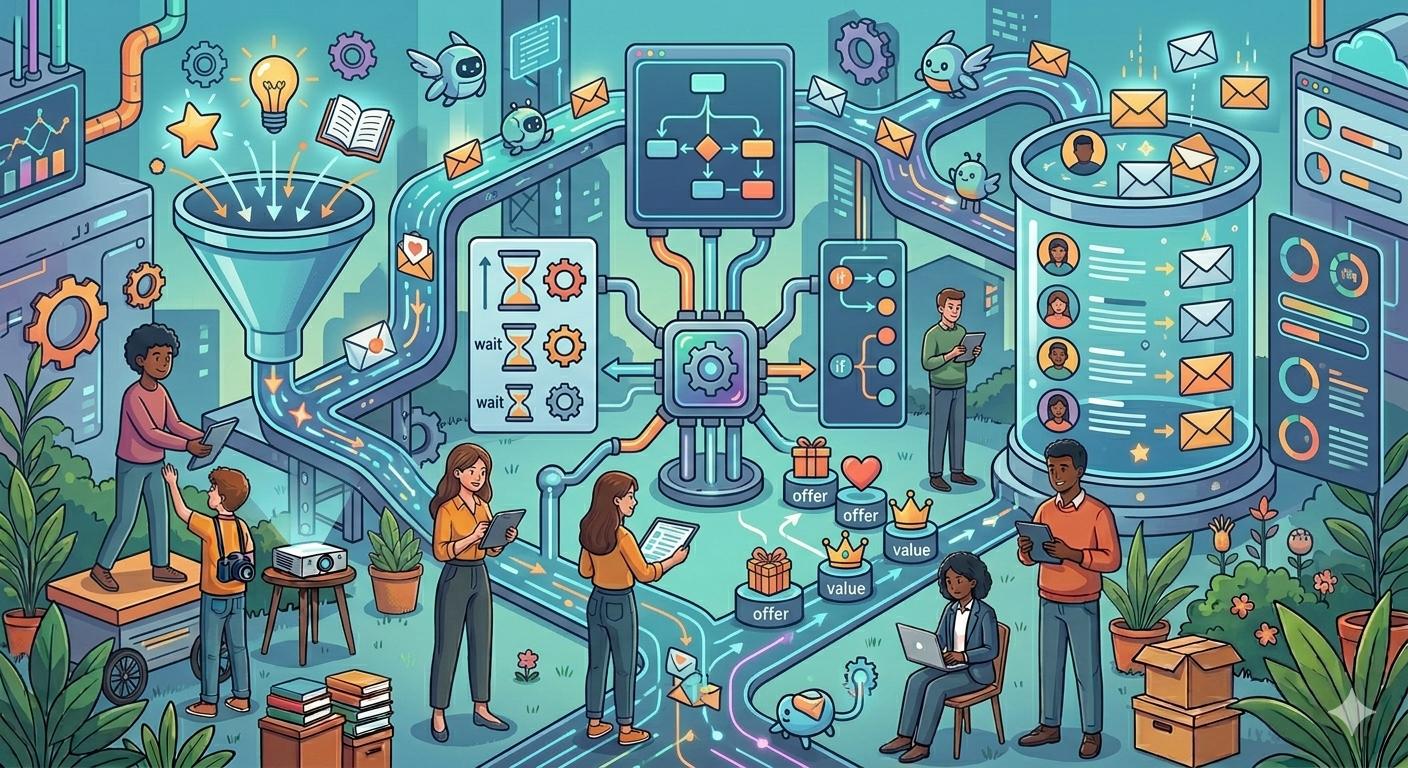
Automation allows you to send the right message at the right time without manual effort.
Essential Automations
- Welcome series
- Abandoned cart emails
- Lead nurturing sequences
- Post-purchase follow-ups
Automation helps you scale your marketing while maintaining personalization.
Step 8: Track Your Performance
To improve your results, you need to measure what’s working.
Key Metrics
- Open rate
- Click-through rate (CTR)
- Conversion rate
- Unsubscribe rate
Use these insights to refine your strategy over time.
Step 9: Stay Compliant with Email Regulations
Make sure your email marketing follows legal guidelines.
Key Rules
- Get permission before sending emails
- Include an unsubscribe link
- Be transparent about data usage
- Avoid misleading subject lines
This builds trust and protects your business.
Final Thoughts
Starting email marketing for your business doesn’t have to be complicated.
Focus on the basics: choose the right platform, build a quality list, and consistently provide value. Over time, you’ll develop a strategy that works for your audience and drives real results.